


Bekopaka is a small and remote village surrounded by lodges and camps welcoming travelers on their way to the extraordinary Tsingy de Bemaraha National Park. It serves as the main center for several nearby villages, where local communities live largely thanks to tourism, working in hotels, guiding visitors, and sharing their culture with travelers from around the world.
Reaching Bekopaka is not just a transfer—it is a true adventure across western Madagascar. From Morondava, the journey takes around 10 hours by 4×4, crossing wild landscapes, remote villages, dry forests, and endless open horizons. Along the way, travelers experience the authentic countryside of Madagascar, where nature and traditional life remain beautifully preserved.
The trip is divided into two exciting stages. The first part runs from Morondava to Belo-sur-Tsiribihina. Here, vehicles must cross the wide Tsiribihina River on a local ferry—a memorable moment of the journey. Once across the river, travelers usually stop in the small town of Belo to enjoy a well-deserved lunch and a short break.
The second part of the journey continues deeper into the wilderness, taking about four more hours of off-road adventure until reaching Bekopaka. Along the way, the scenery changes constantly: baobab landscapes, dry forests, rivers, and traditional villages where daily life unfolds slowly under the Malagasy sun.
This timing is typical during the dry season from June to October, when the road is accessible and conditions are at their best. During the rainy season, the route can become extremely difficult or even impractical, and travel time may increase significantly.
Arriving in Bekopaka after this long and adventurous journey feels like reaching the doorway to one of Madagascar’s greatest natural wonders.
Here are the different activities possible around Bekopaka:
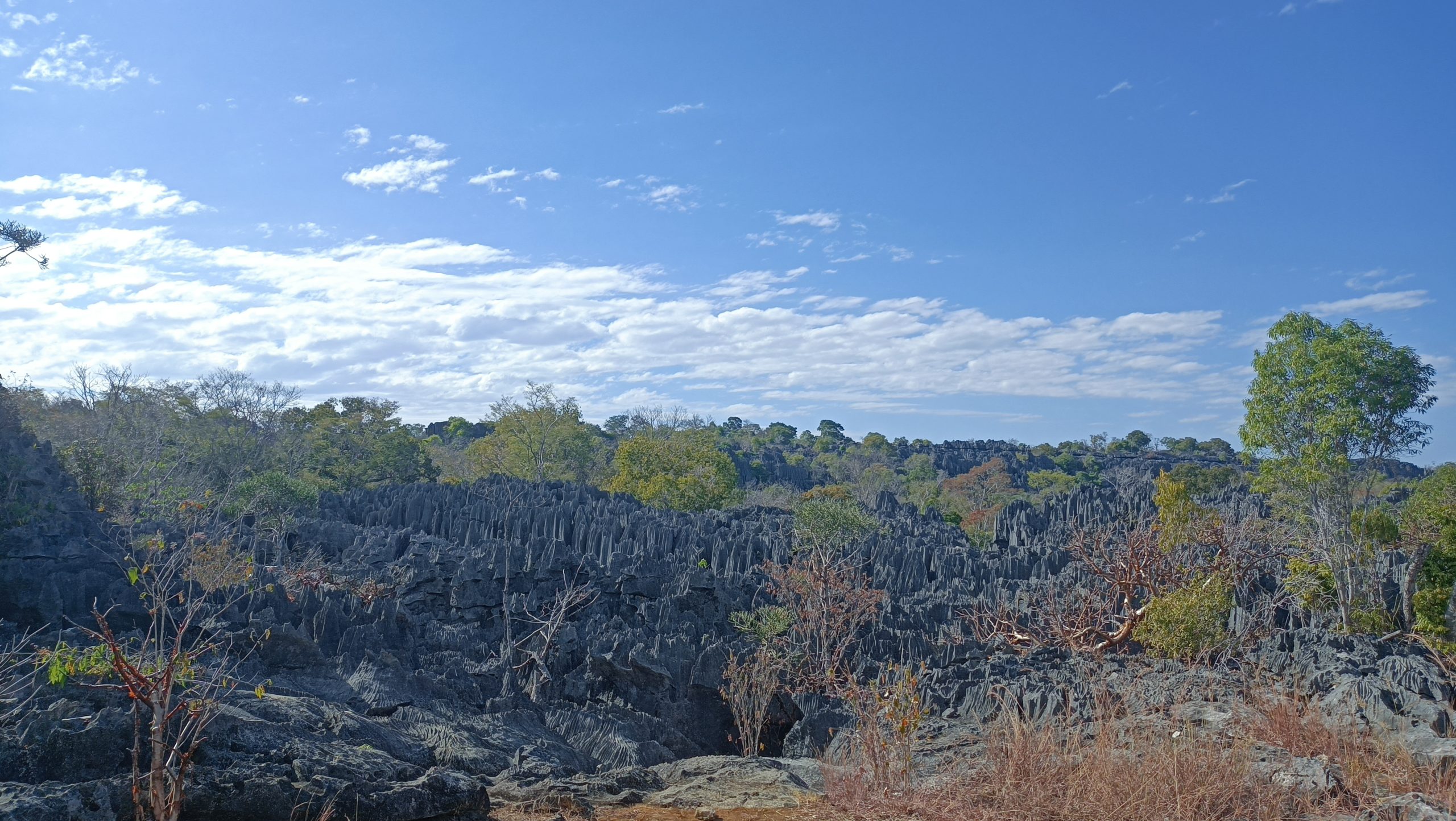
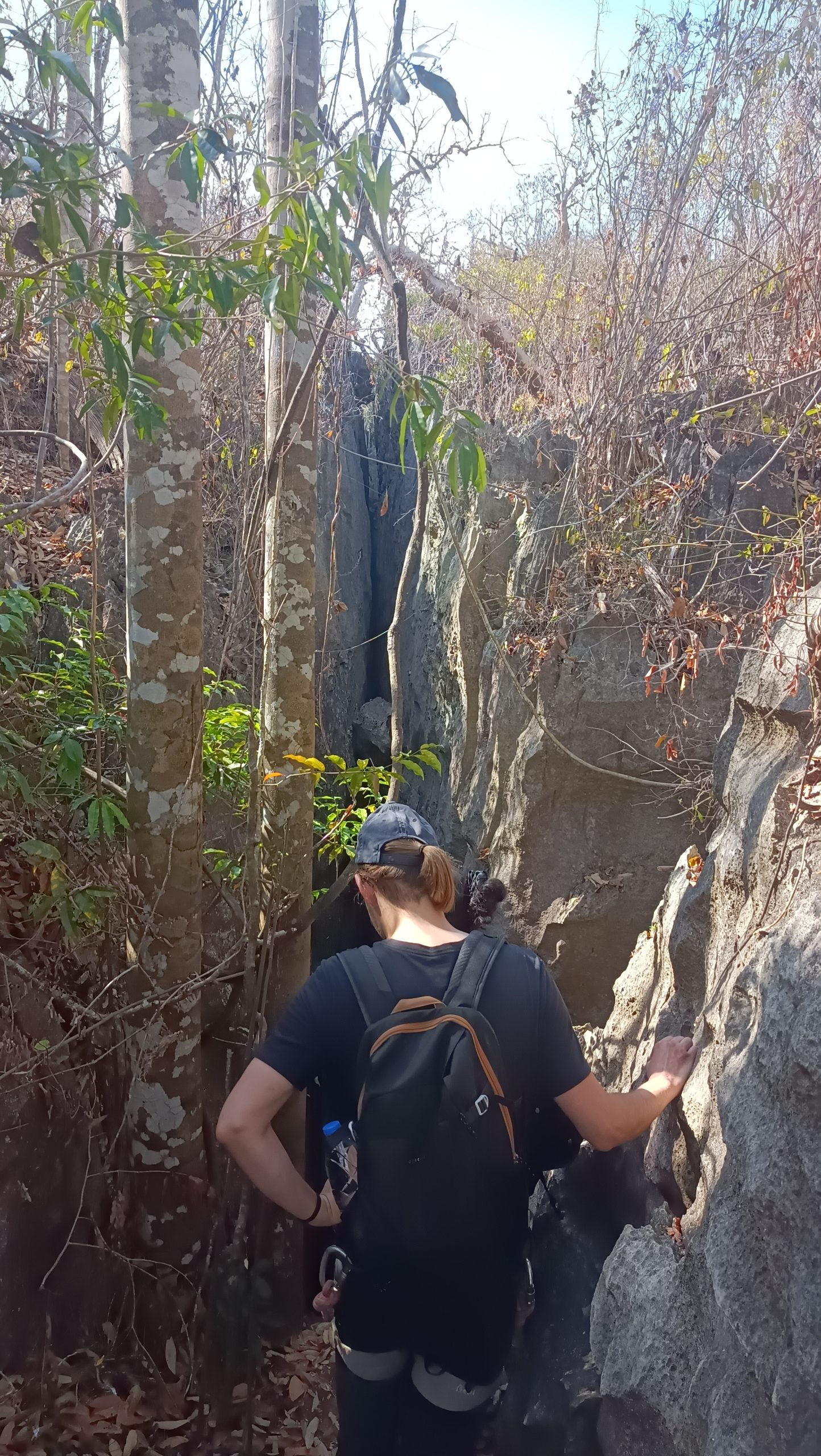

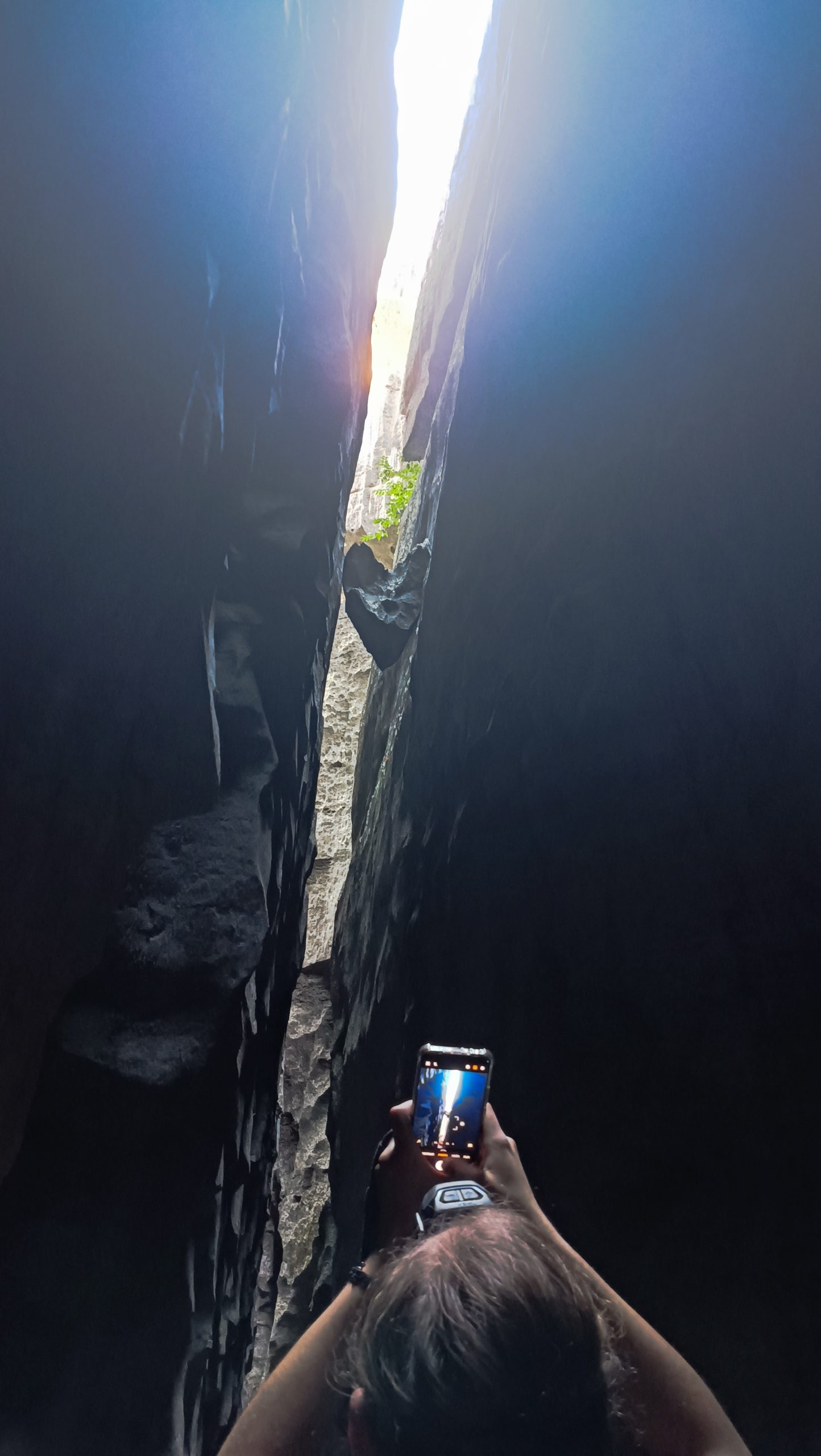
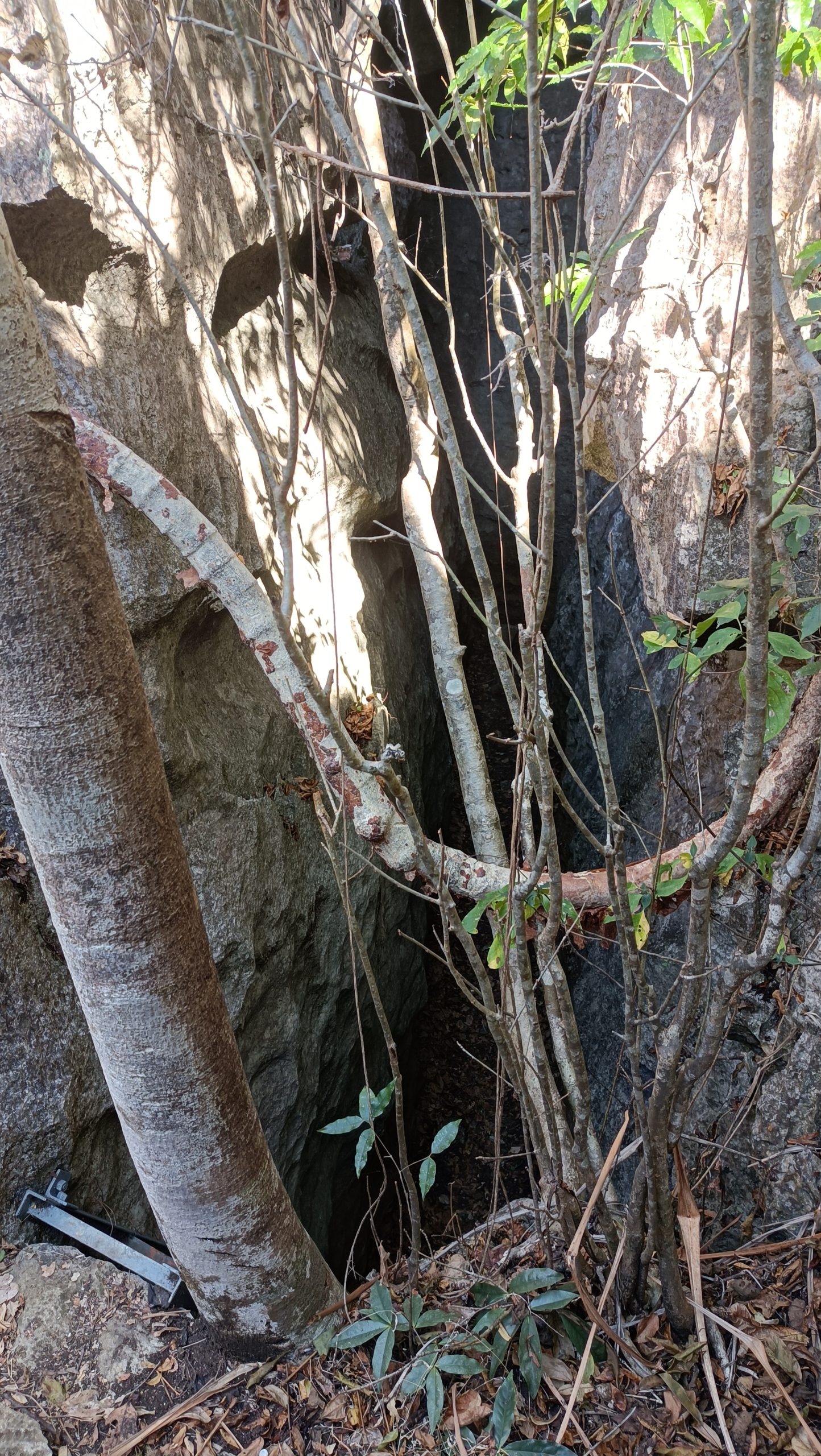


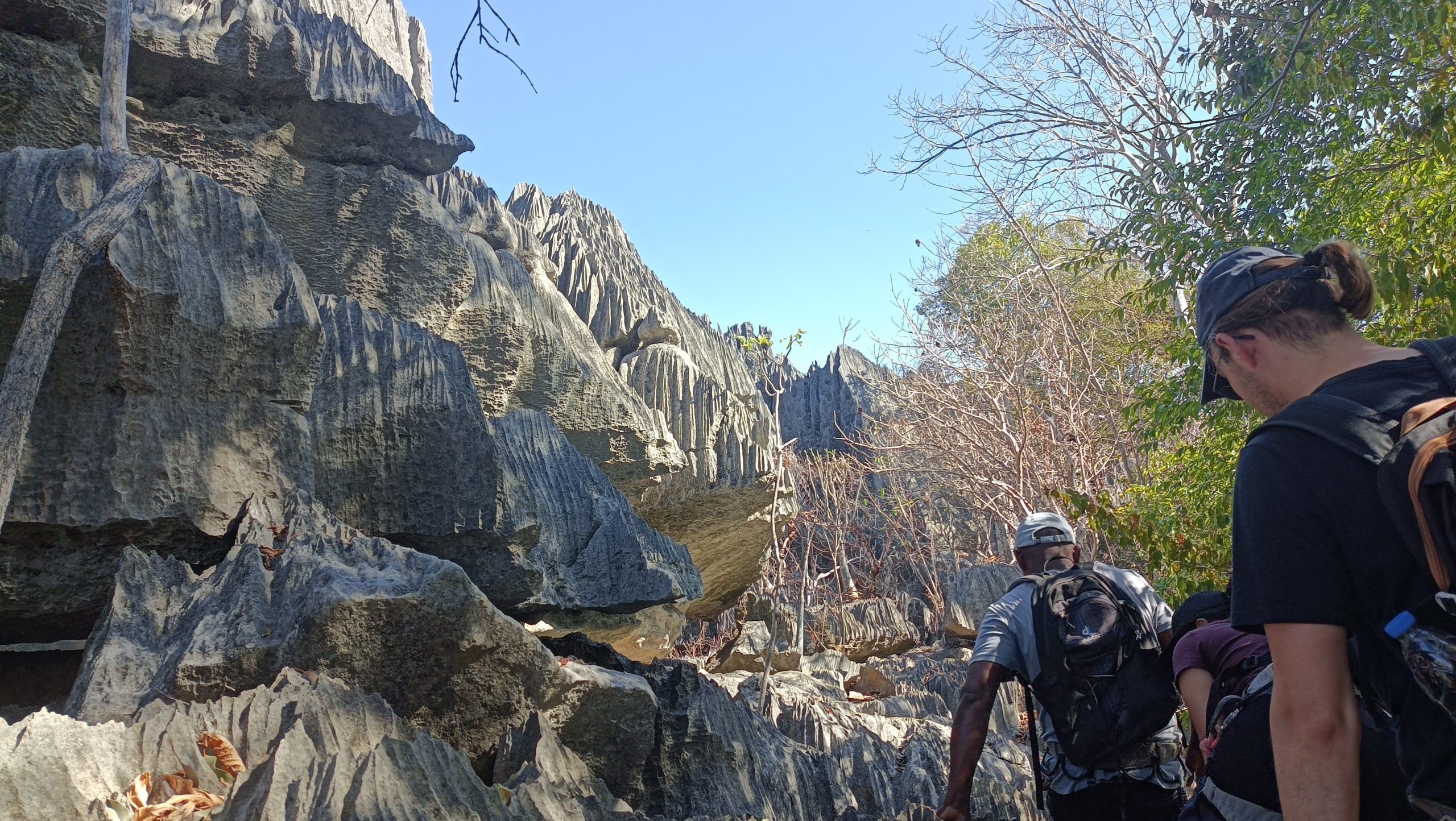


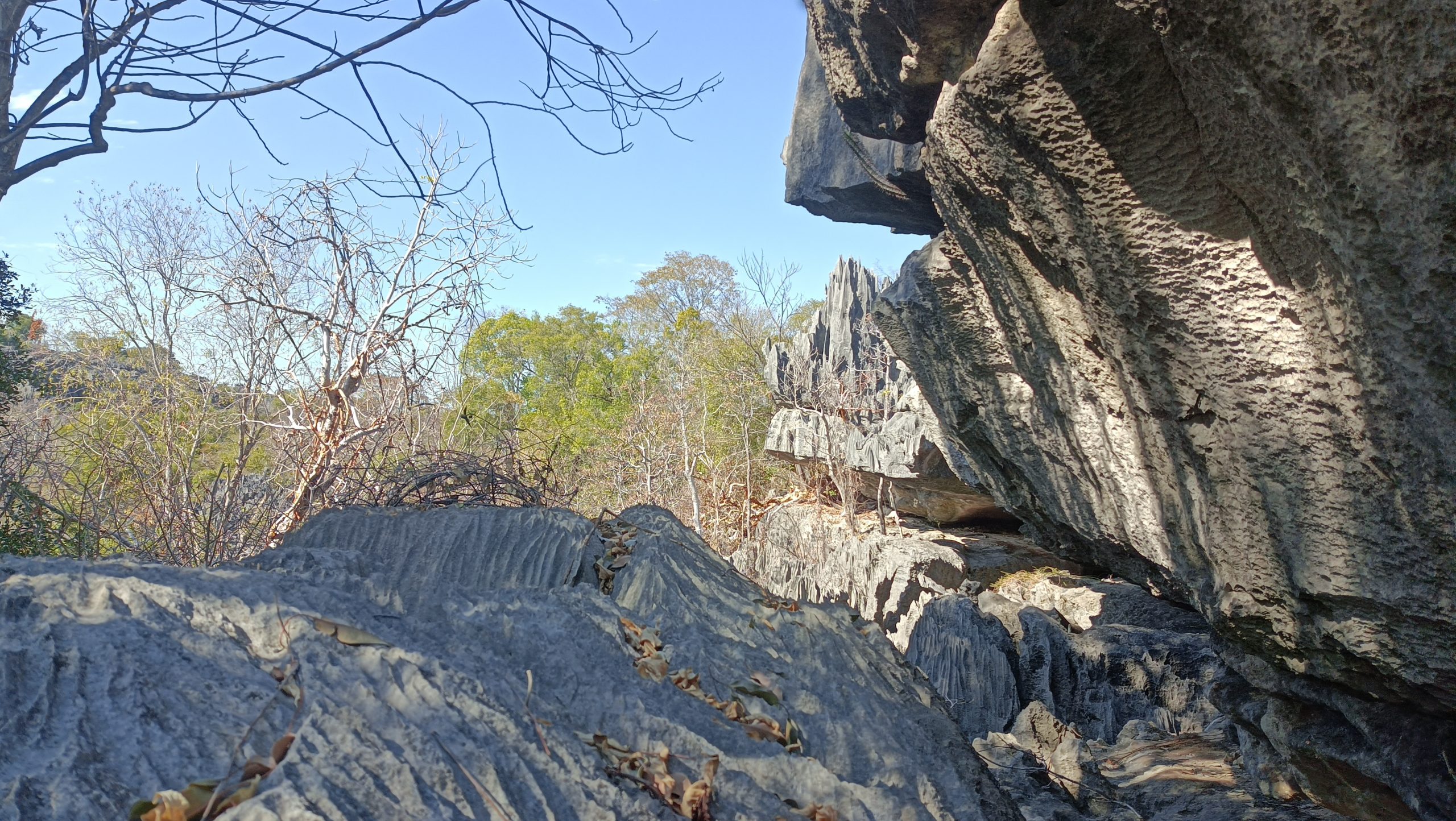
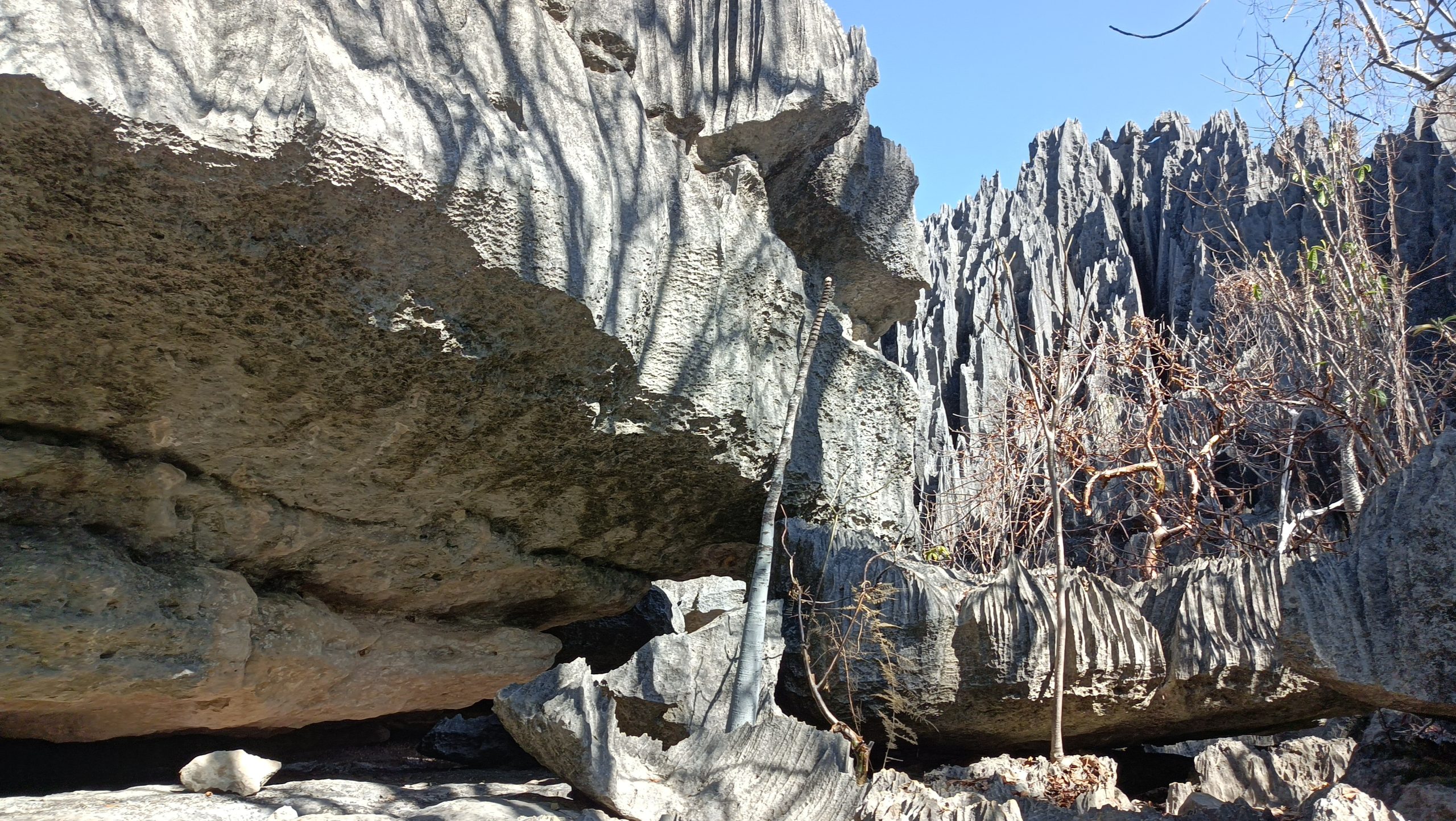
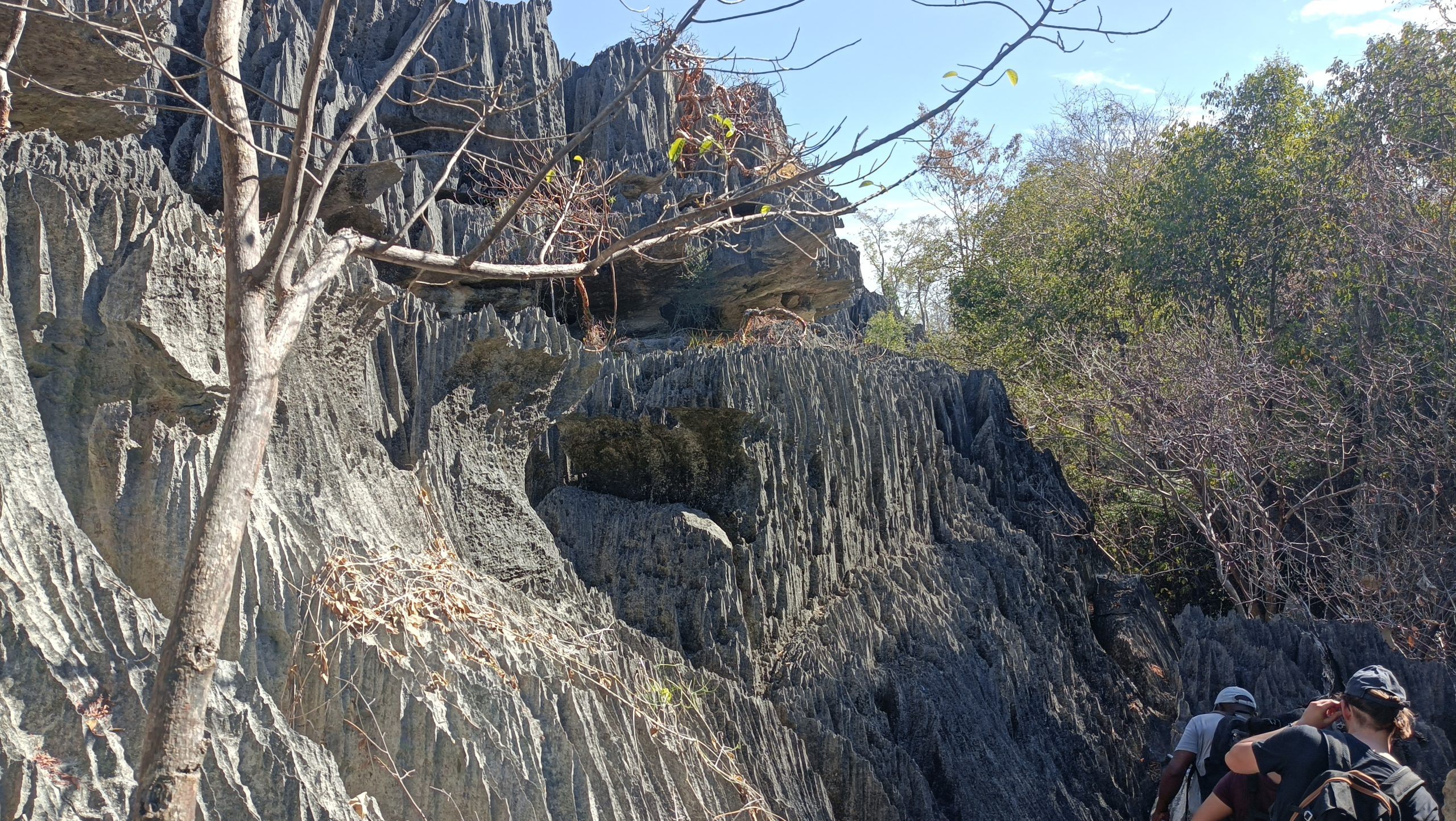


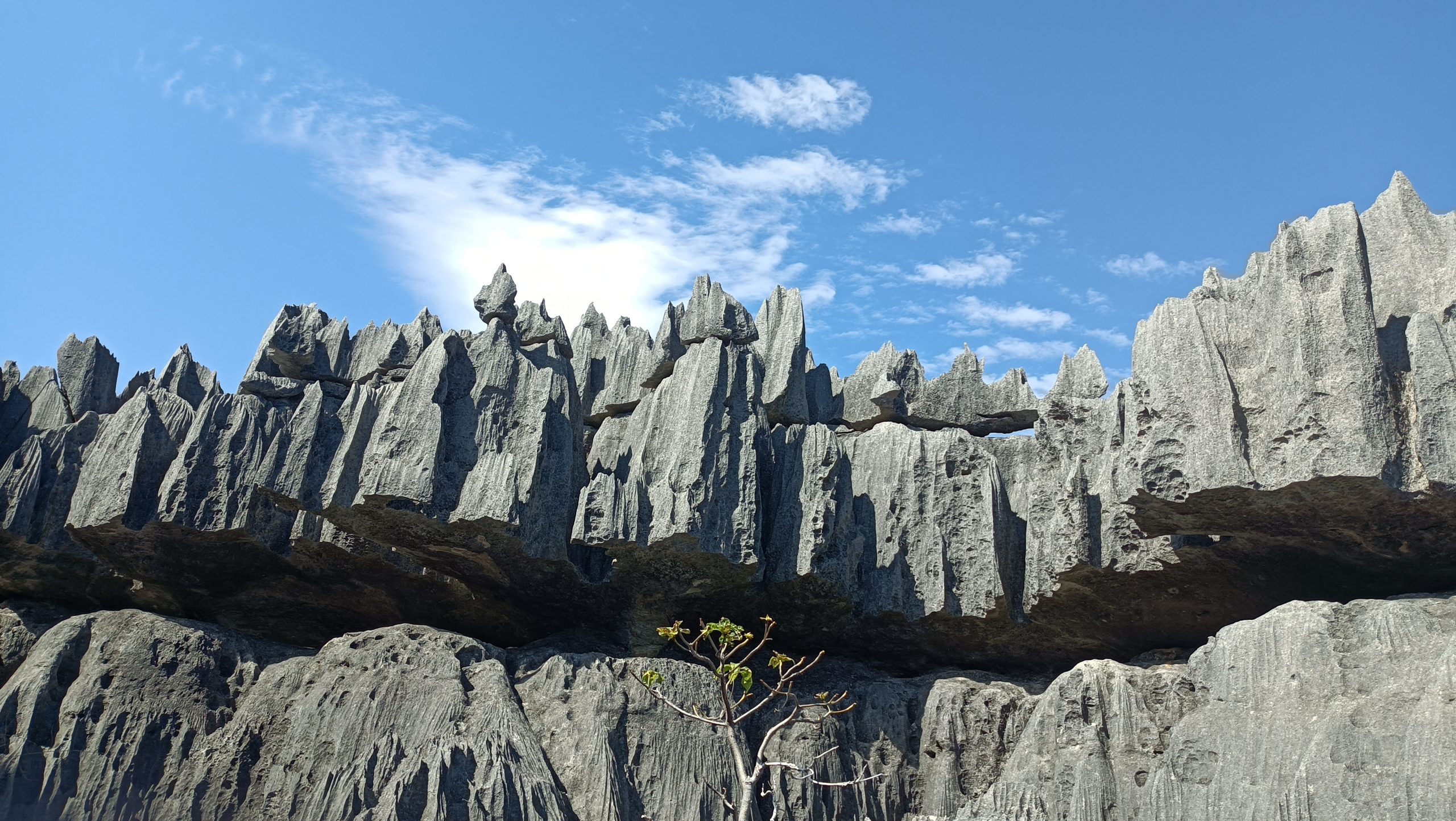


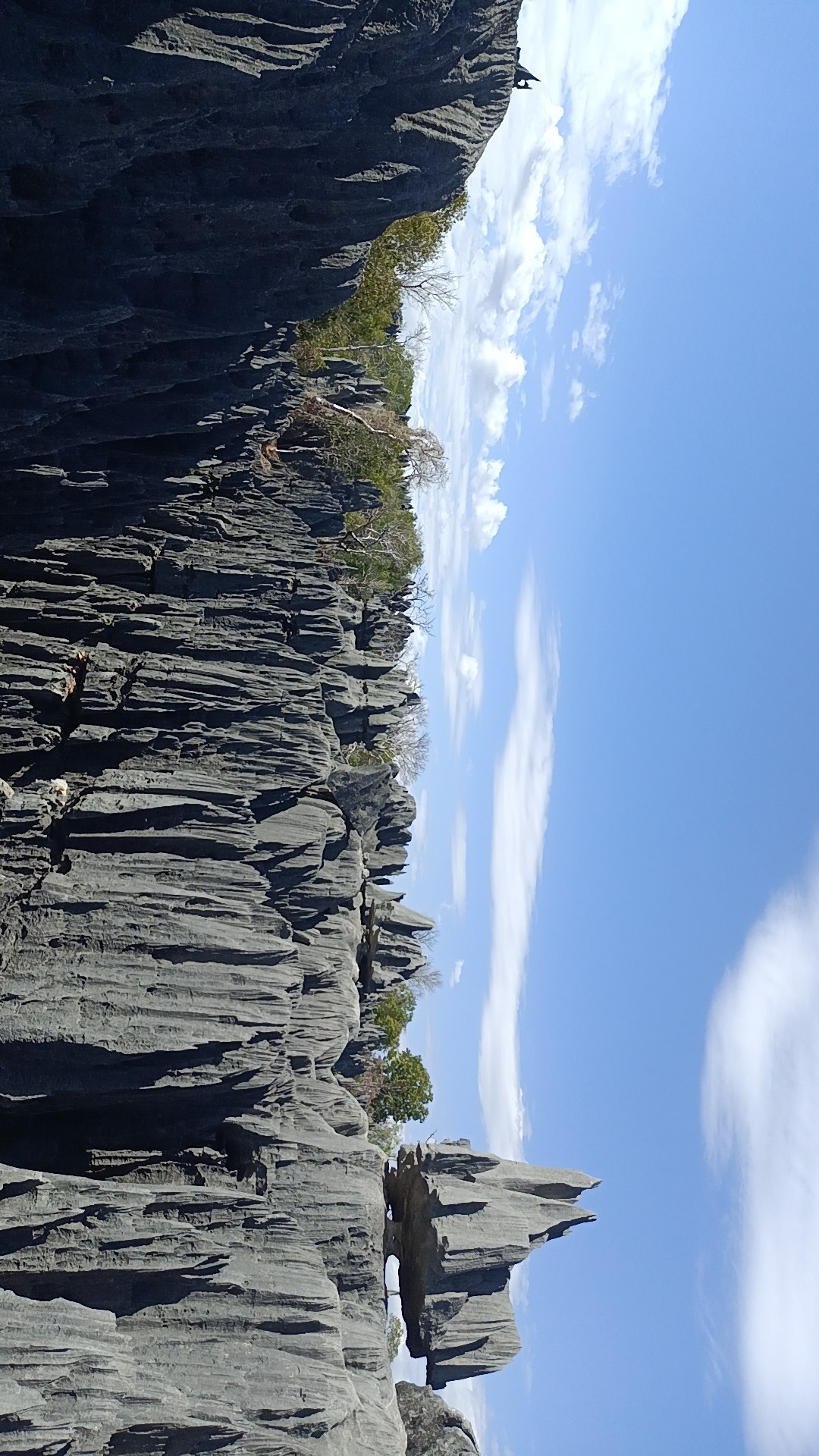
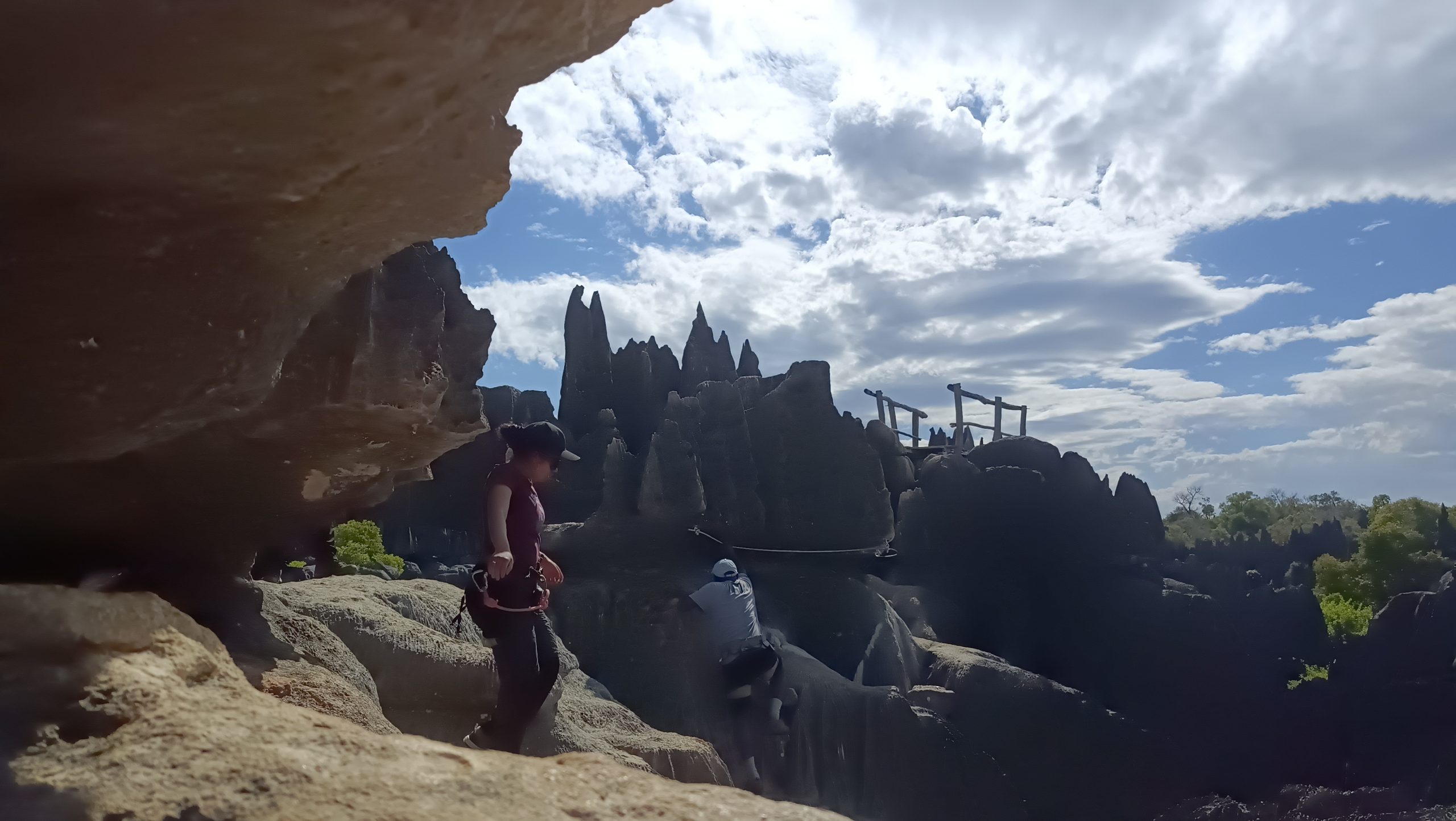
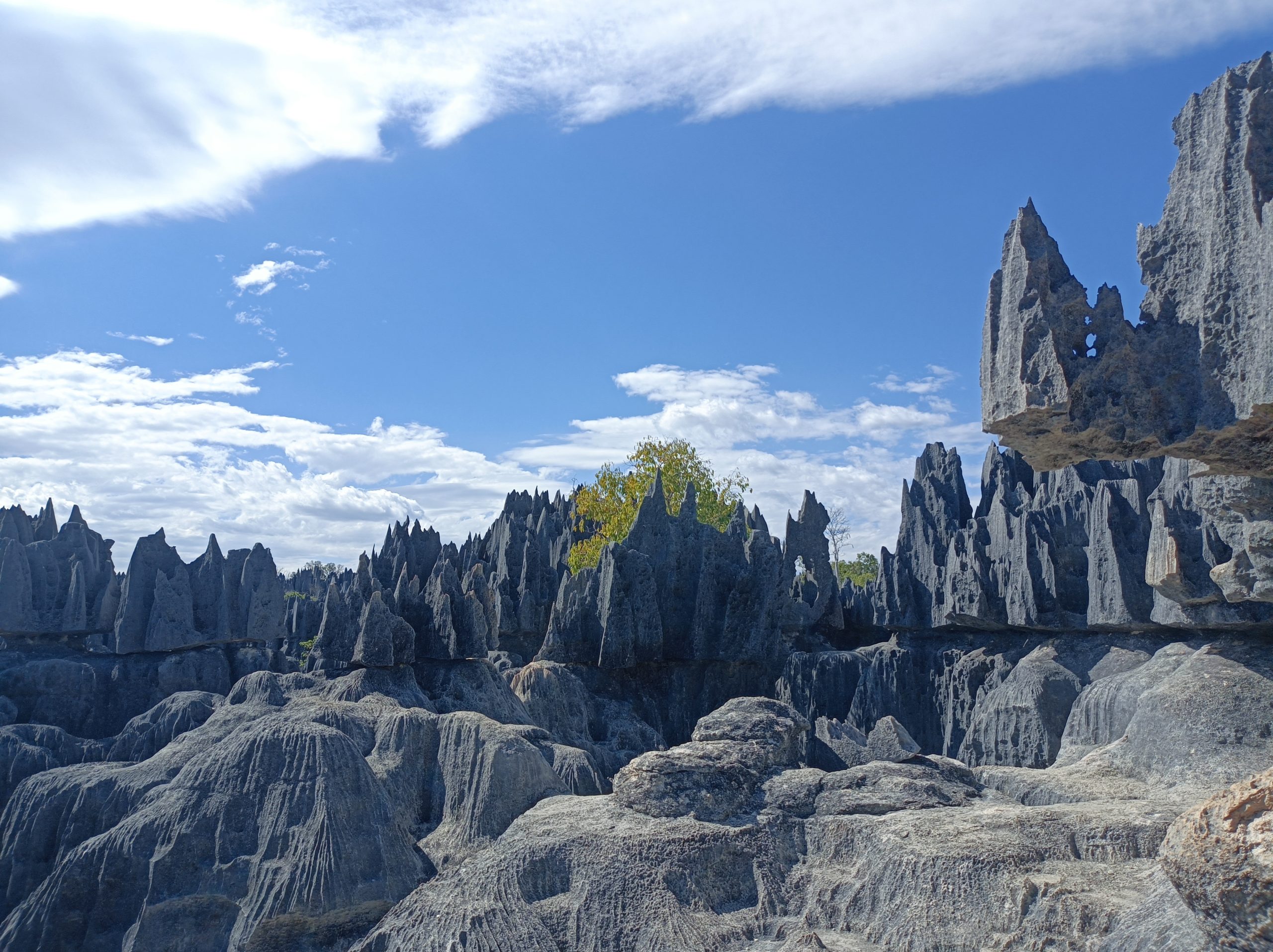
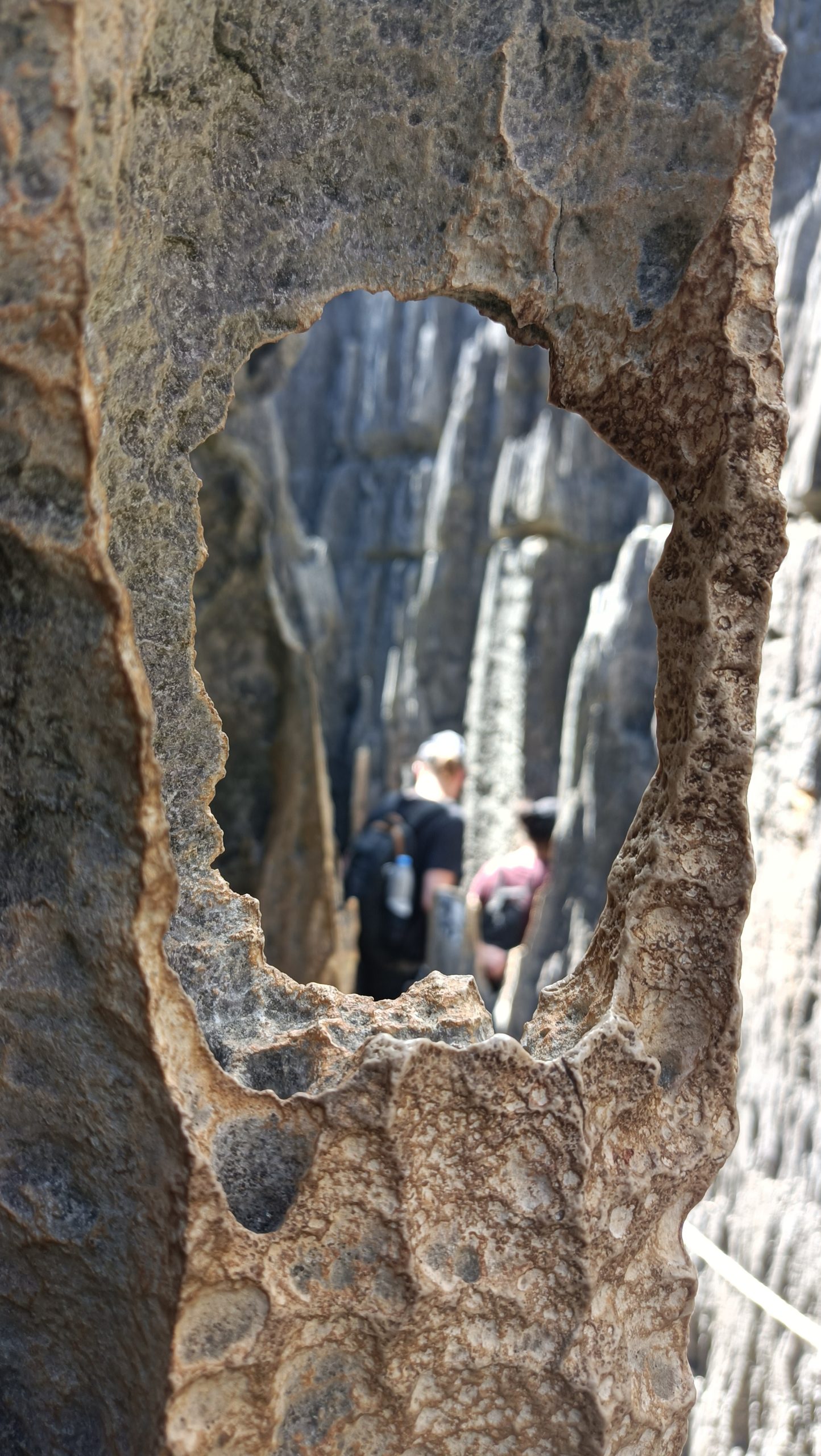


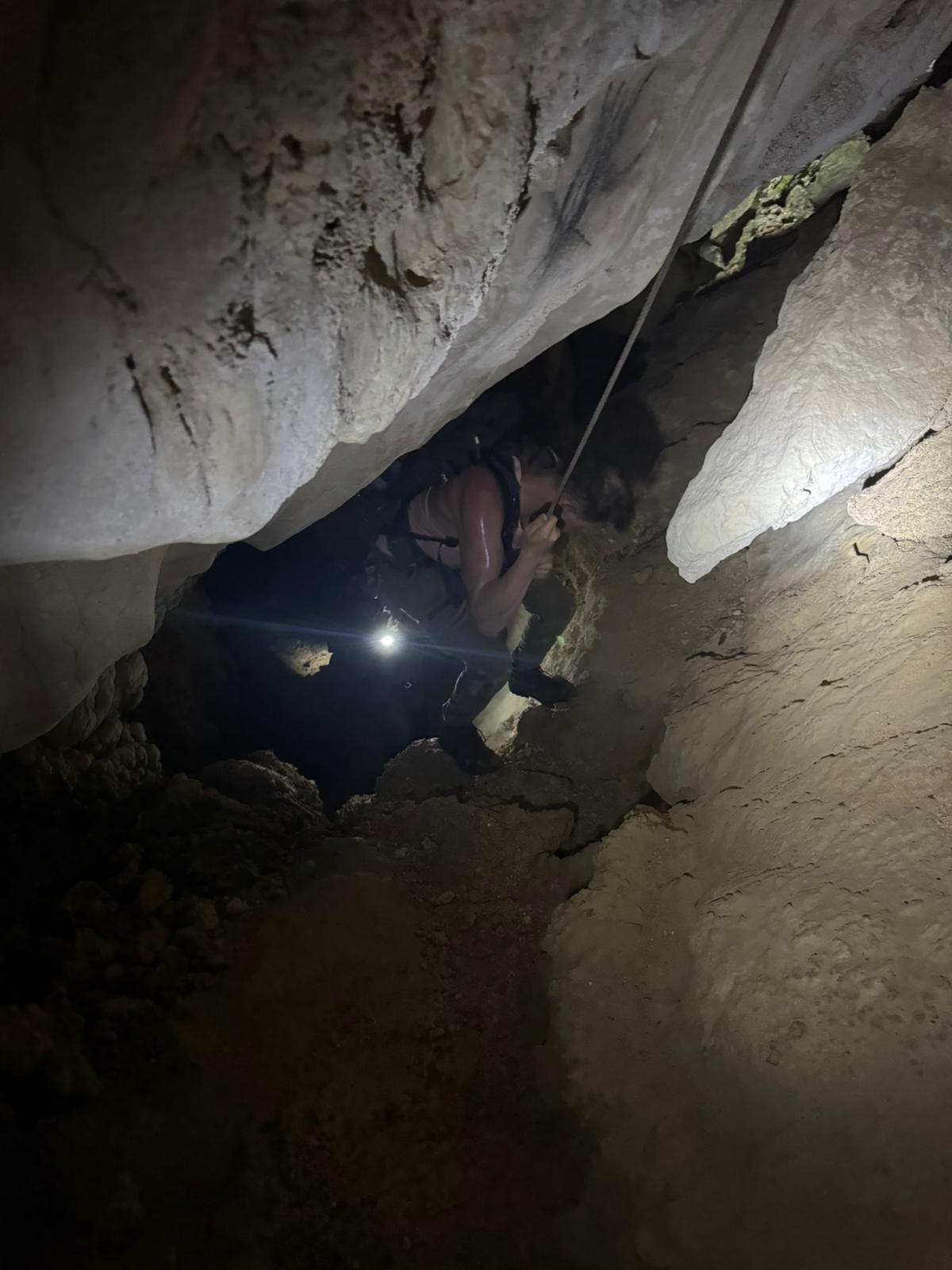
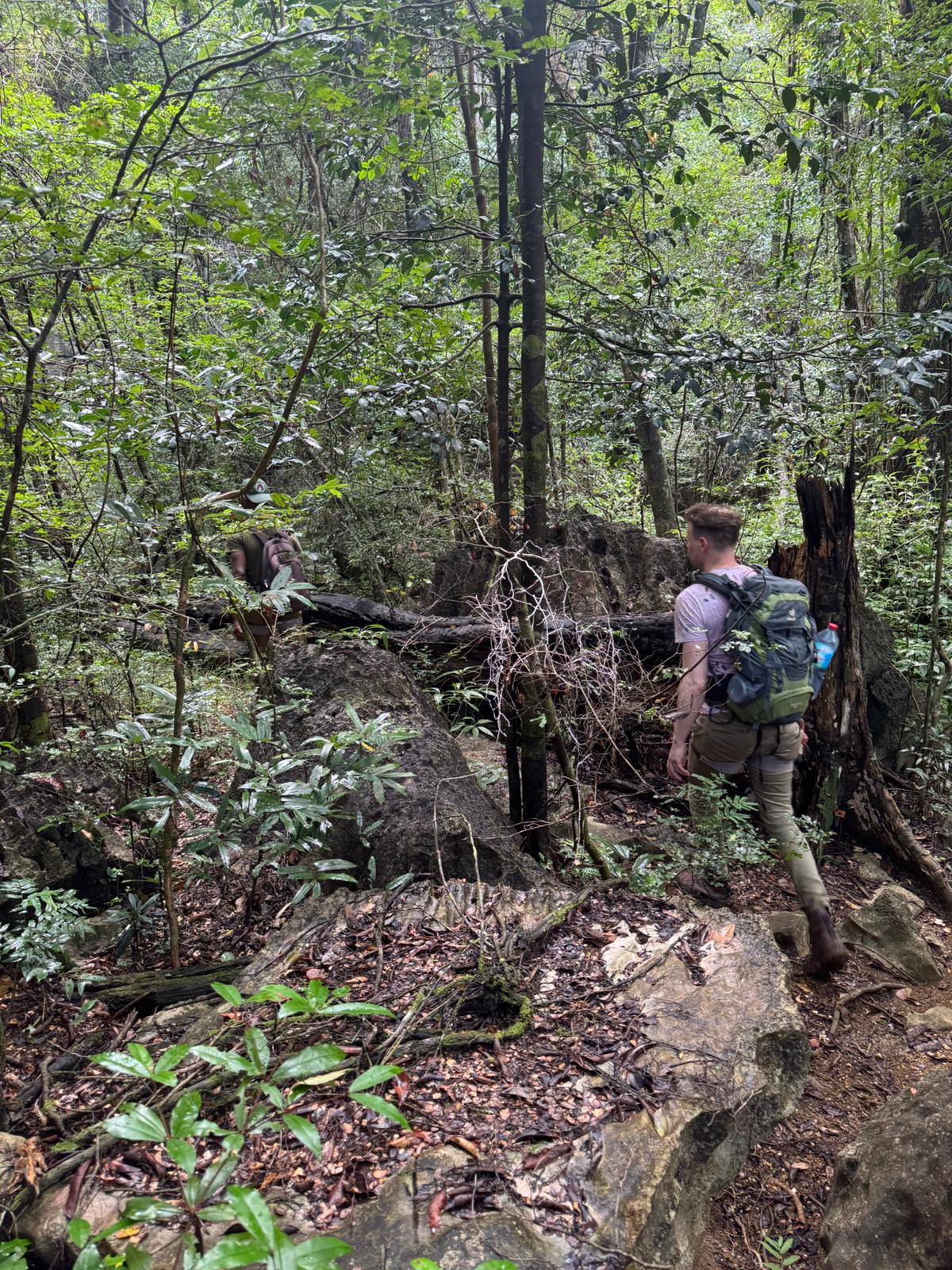

The Grand Tsingy is an extraordinary labyrinth of limestone pinnacles formed over millions of years. Shaped by erosion, this dramatic landscape creates a maze of sharp rocks, narrow passages, caves, and spectacular viewpoints rising above the forest.
The excursion usually takes at least six hours, including the drive from your accommodation or from the park ticket office. To save time, your guide can organize the entrance ticket in advance so you can begin the adventure without delay.
During the hike, you will cross suspension bridges, climb metal ladders, pass through narrow canyons, and walk on secured pathways attached to the cliffs. The route offers breathtaking panoramic views over the famous stone forest of Tsingy.
Despite this rugged environment, wildlife thrives here. Visitors may encounter Decken’s sifaka lemurs, which move gracefully between the rocks, as well as leaf-tailed geckos, colorful chameleons, and several endemic birds such as the Tsingy wood rail. With some luck, you may also hear or see the rare Madagascar fish eagle flying over the nearby Manambolo River.
Because of the terrain, the hike is considered moderately difficult to challenging. Good physical condition is recommended. Visitors should bring sturdy hiking shoes, water, sun protection, and comfortable clothing. In some sections, a harness is provided by the park for safety when crossing exposed passages.
Exploring the Grand Tsingy is more than a simple walk — it is a true adventure through one of Madagascar’s most spectacular natural landscapes.
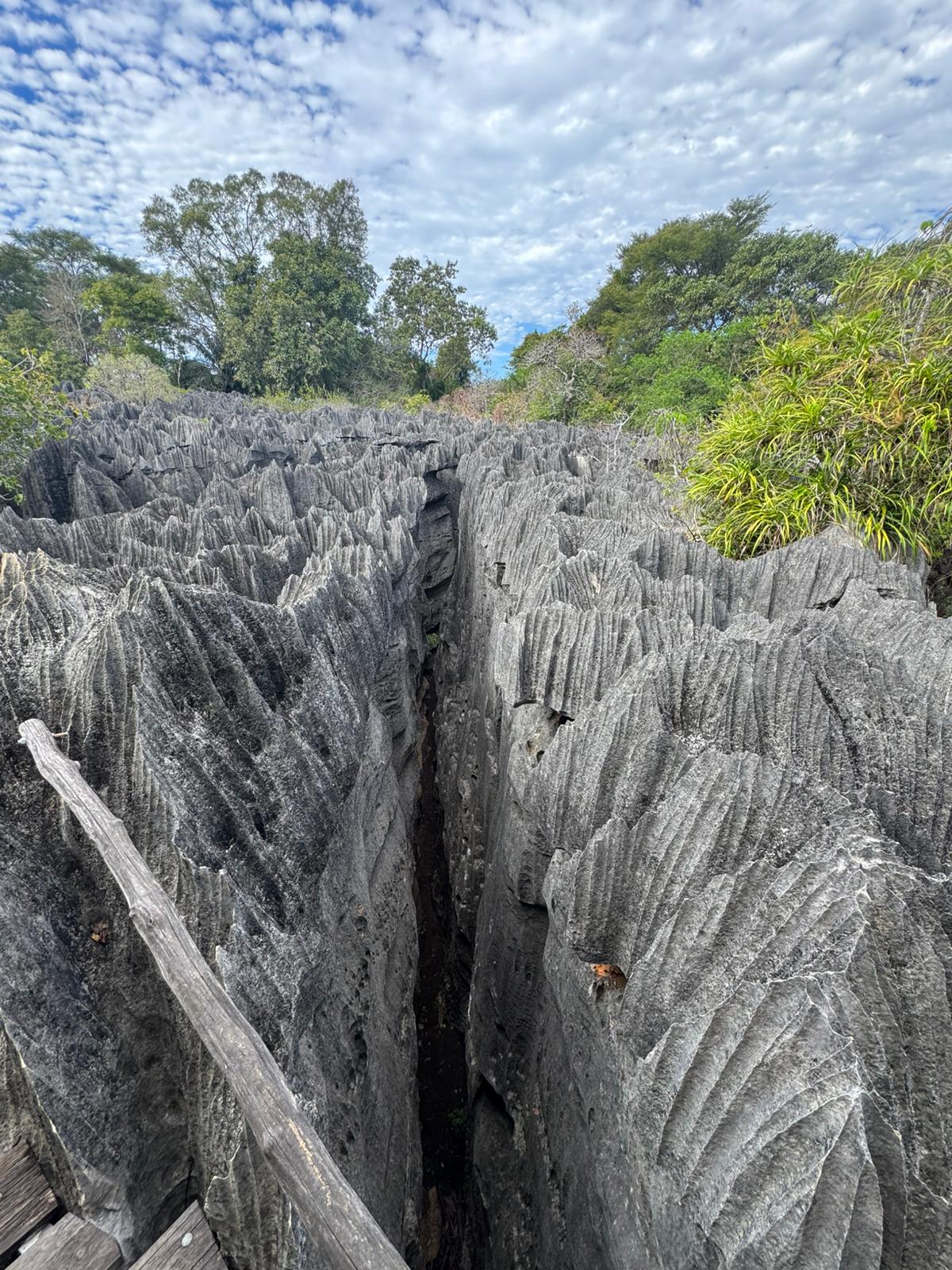

The Petit Tsingy presents the same remarkable limestone formations as the Grand Tsingy, but on a smaller and more accessible scale. These sharp pinnacles of limestone, shaped by erosion over millions of years, create a fascinating rocky landscape that offers a first glimpse into the famous stone forest of Bemaraha.
This visit can easily be combined with the Grand Tsingy excursion, making it a perfect introduction before the longer and more challenging adventure later in the day.
The walk inside the Petit Tsingy usually takes around two hours at a normal pace. The trail passes through dry forest and limestone formations, with several viewpoints where you can appreciate the unique geological shapes of the tsingy.
The vegetation and ecosystem are similar to those found in the Grand Tsingy. You may encounter lemurs, chameleons, leaf-tailed geckos, and endemic birds. However, wildlife sightings are less frequent than in other forest areas of the park.
The hike is considered easy to moderate, making it accessible for most visitors. Good walking shoes, water, and sun protection are recommended to enjoy the experience comfortably.
Exploring the Petit Tsingy offers a beautiful introduction to the extraordinary landscapes of Bemaraha before continuing the adventure to the Grand Tsingy.
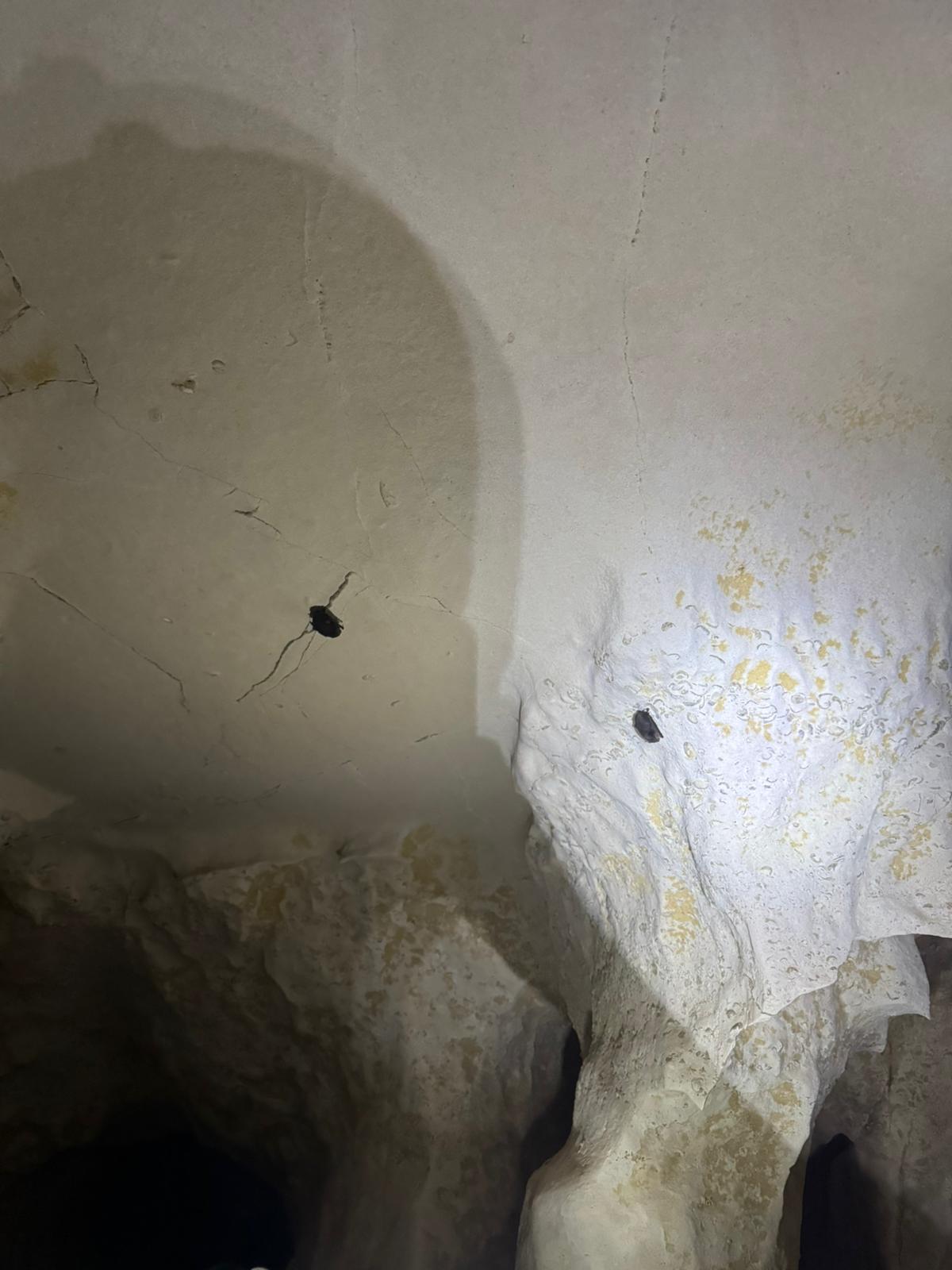
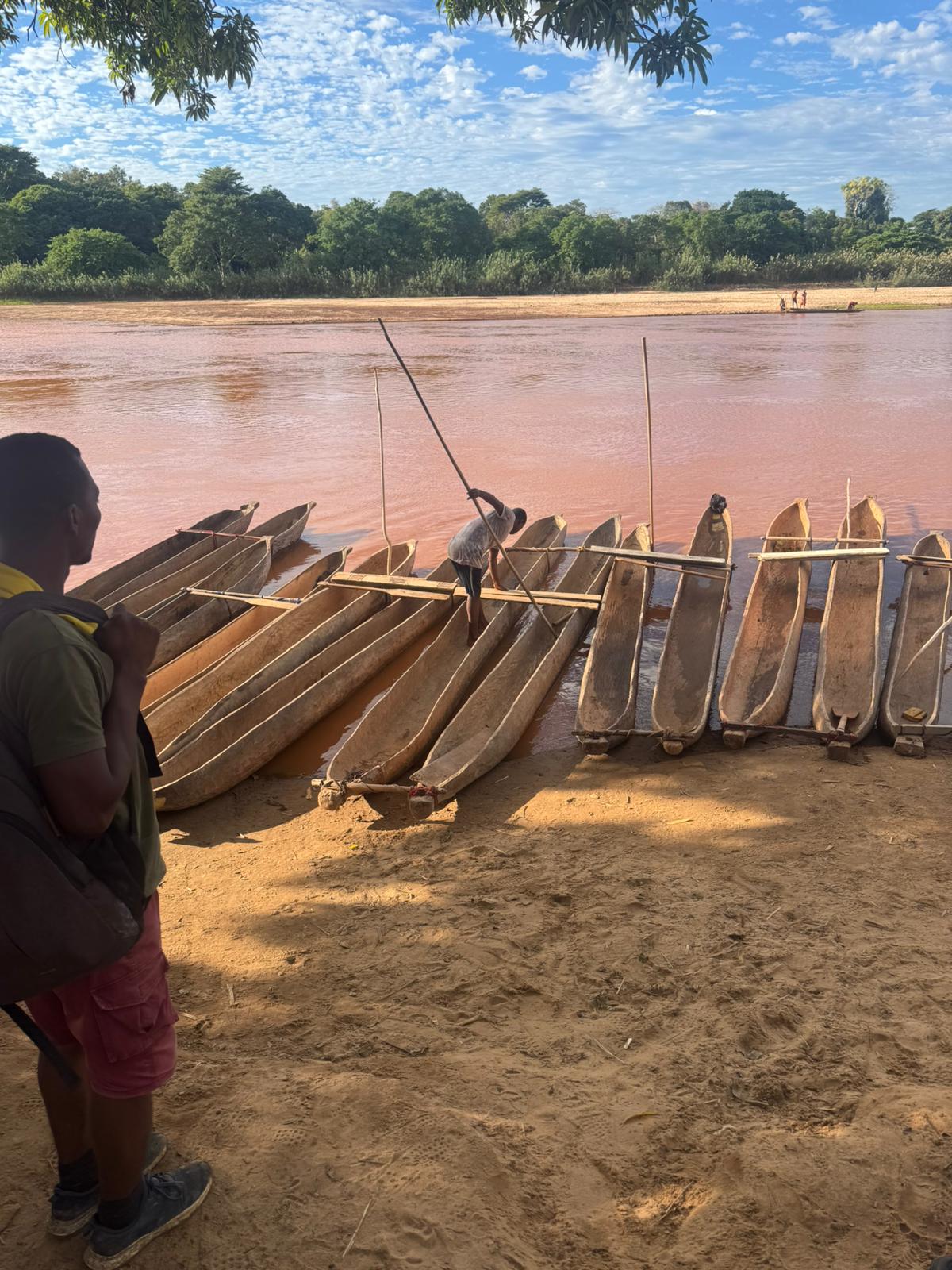

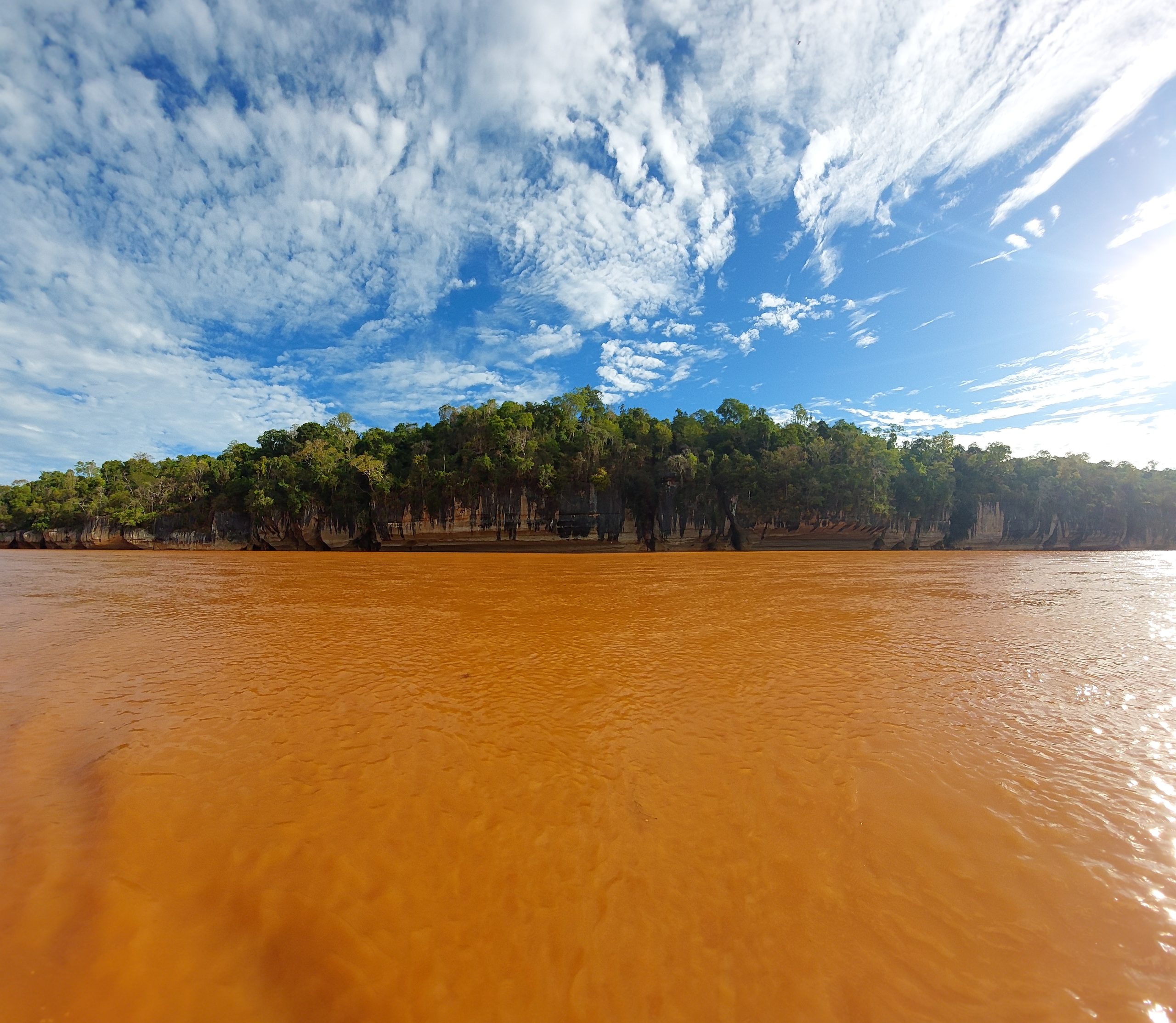
The Manambolo River canoe ride is a peaceful yet exciting adventure that reveals another side of the Tsingy landscape. Gliding slowly along the calm waters, you can admire the spectacular limestone cliffs and observe how the tsingy formations rise dramatically above the river from a completely different perspective.
This activity is available only in the morning, as navigation on the river is forbidden in the afternoon. The early hours offer the best conditions to enjoy the silence of the river, the fresh air, and the beautiful light reflecting on the limestone walls.
During the journey, the canoe approaches natural caves carved into the cliffs. Inside these caves, your local guide will share the fascinating history and traditions of the first people who lived in this region. These sacred places hold stories about the origin of the local population and their connection with the river and the surrounding tsingy.
The experience combines nature, culture, and exploration. As the canoe moves gently along the river, you may also notice birds flying above the cliffs and the unique vegetation growing on the limestone.
The Manambolo canoe ride is more than a simple excursion — it is a quiet adventure through history, geology, and the “hidden spirit of Bemaraha”.
After crossing the Manambolo River ferry, the road gently leads you through Bekopaka village, where daily life unfolds right beside the track. The village stretches along the road and can be explored before or after your visit to the Tsingy, making it a perfect moment to slow down and experience the human side of this remote landscape.
As you pass through the village, you will notice the traditional wooden houses built from natural materials collected from the surrounding forest. These simple but ingenious homes reflect how local communities have learned to live in harmony with nature, adapting their lifestyle to the dry forest environment.
Walking through Bekopaka offers a special feeling — children playing, villagers working peacefully, and the quiet rhythm of life far away from the noise and stress of modern cities. It is a place where nature and humanity blend together in a natural balance.
This is also the perfect golden moment to discover Malagasy food. Small local restaurants and family kitchens prepare traditional dishes using fresh ingredients from the region. Tasting local flavors while surrounded by the warm atmosphere of the village adds another memorable dimension to your adventure.
Exploring Bekopaka is more than a simple stop — it is a journey into the authentic spirit of Madagascar, where nature, culture, and daily life come together in a beautiful and peaceful way.


