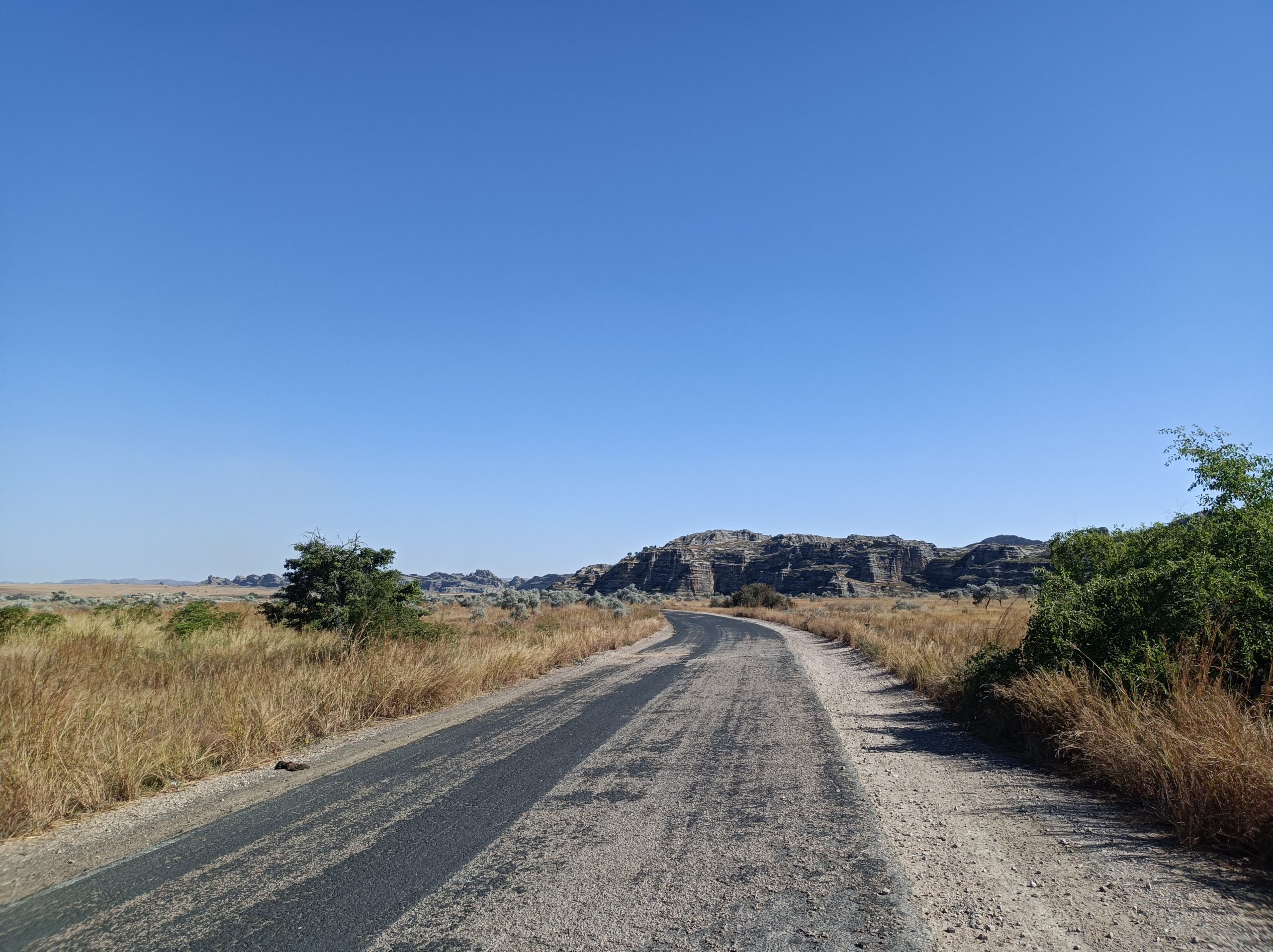
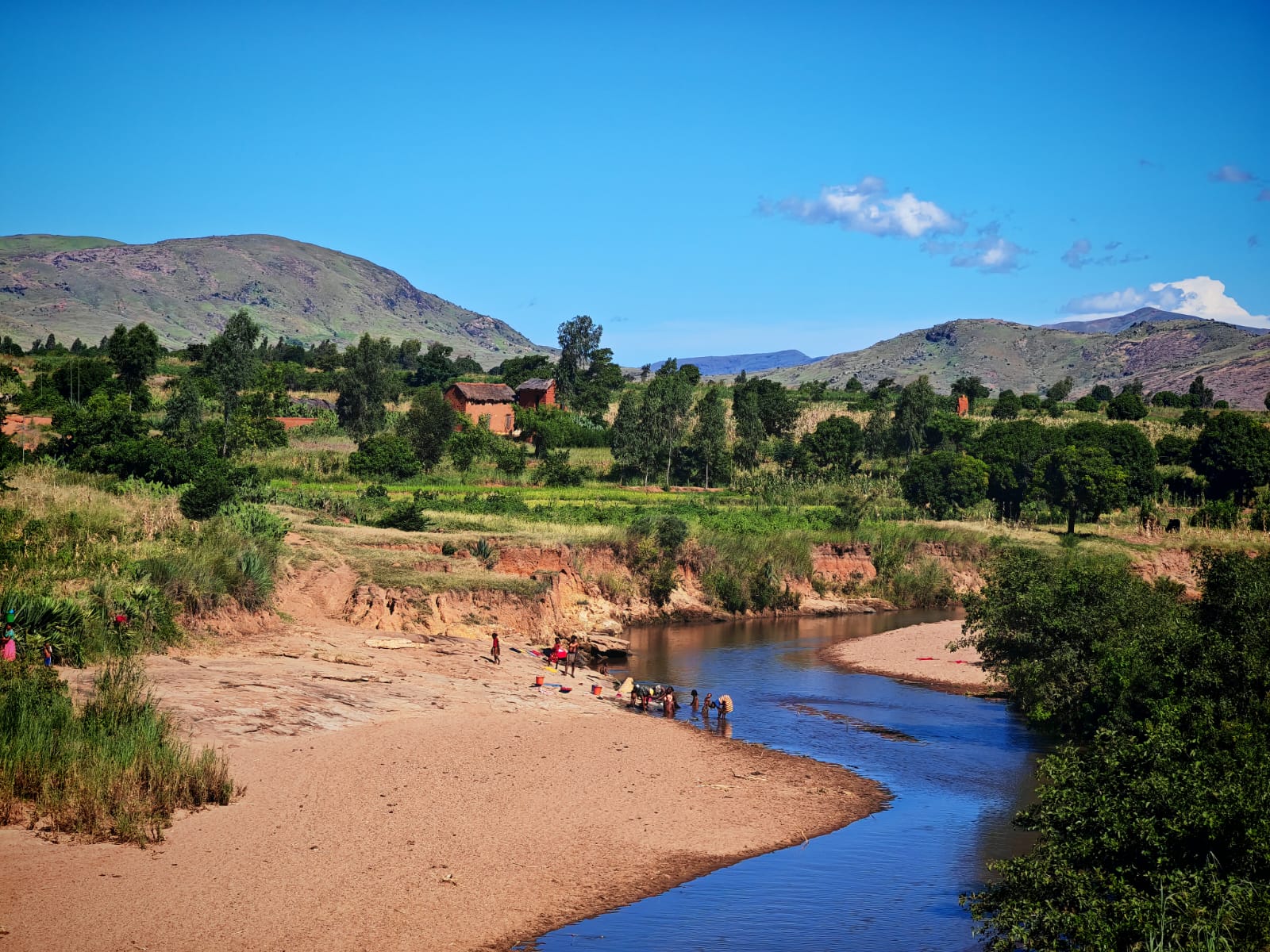
Located along the RN7, a small town that serves as the gateway to Isalo National Park. The original settlement of Ranohira gradually declined as most inhabitants moved closer to the main road, forming present-day Ranohira.
Today, the town is the main base for exploring the park’s spectacular landscapes, including sandstone canyons, natural pools, striking rock formations, and rich biodiversity.
At the southern end of the area lies Ilakaka, known as the “town of gems.” It is a must-see destination where visitors can buy stones directly from local miners and experience handcrafted jewelry made from Madagascar’s unique sapphires.
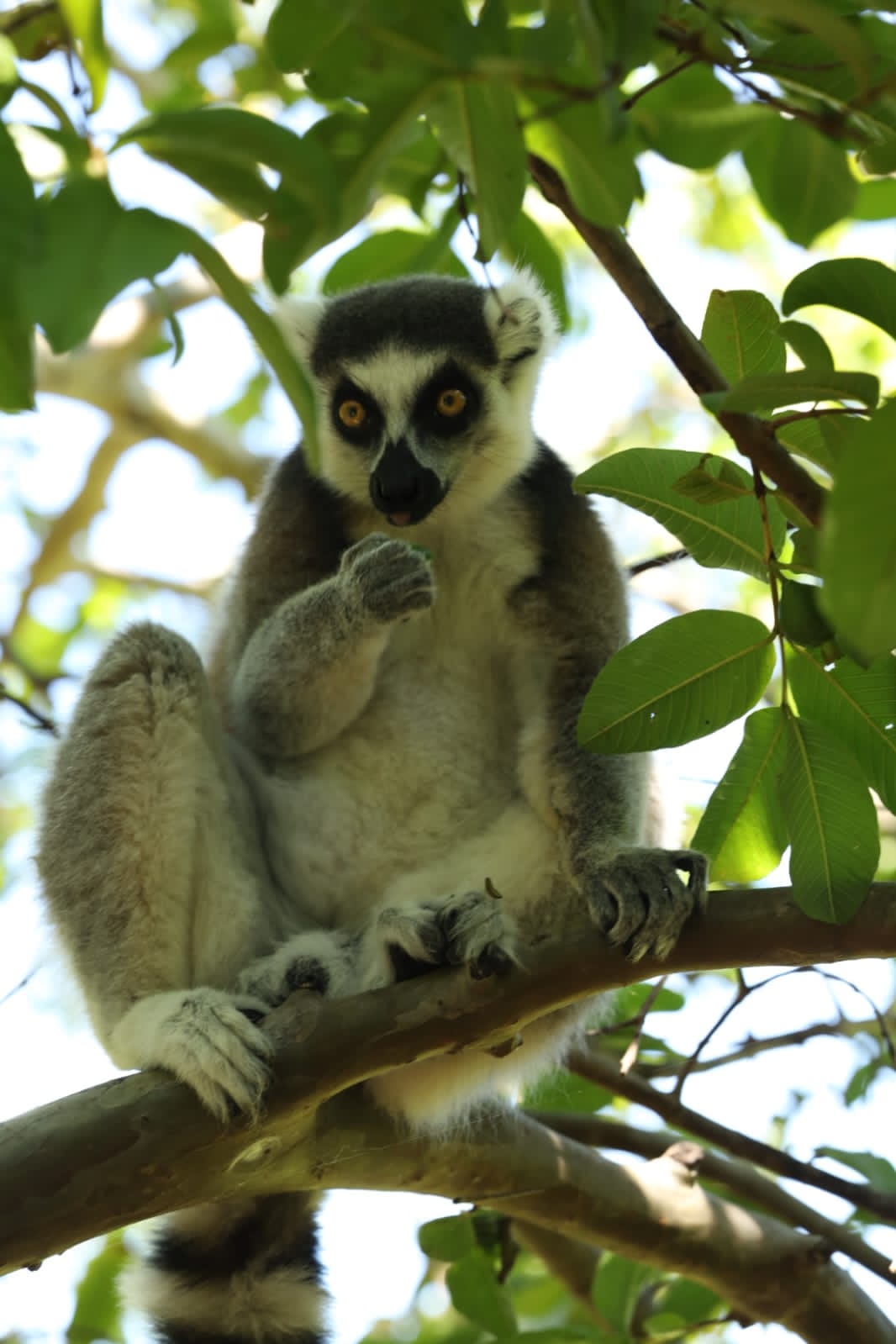
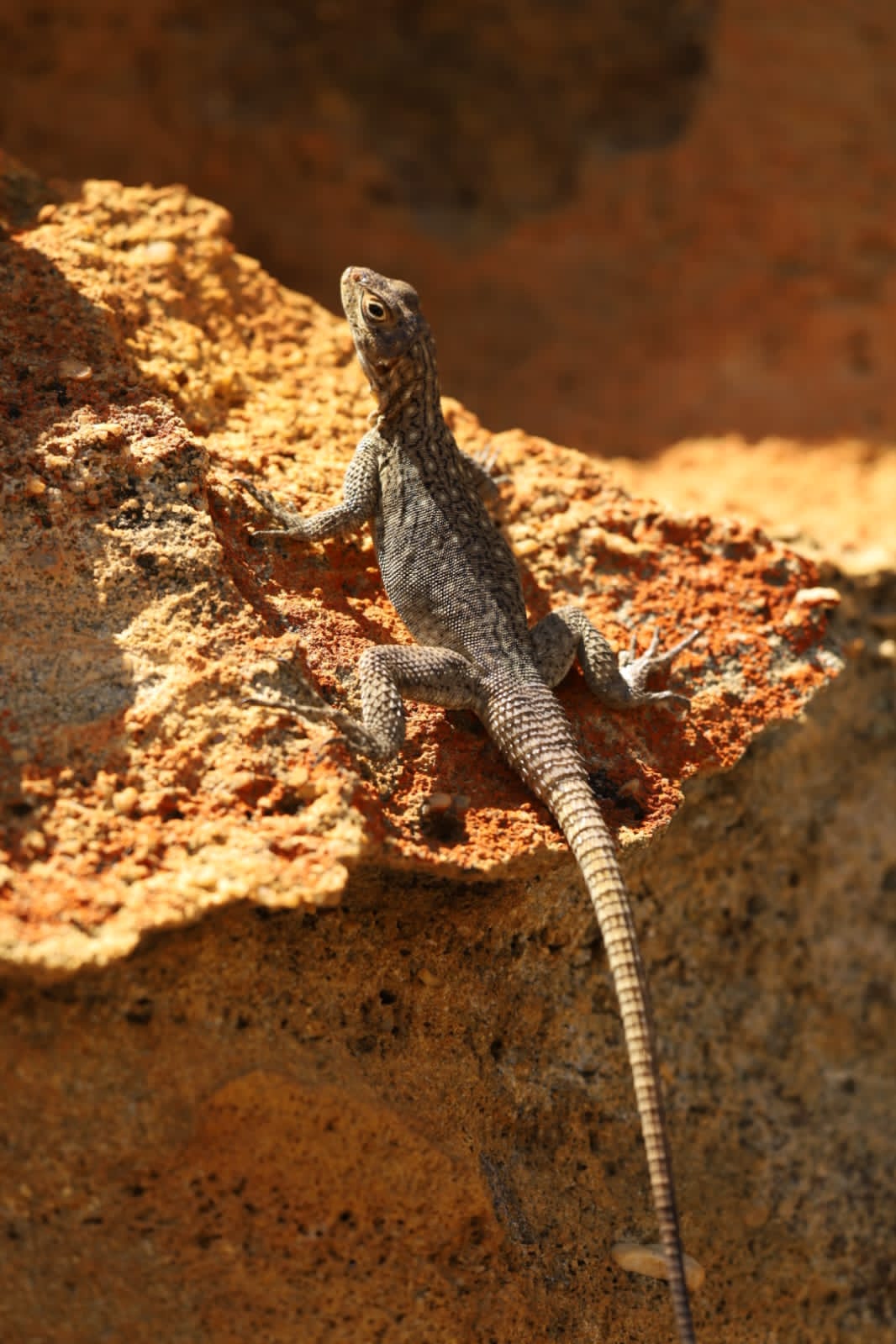
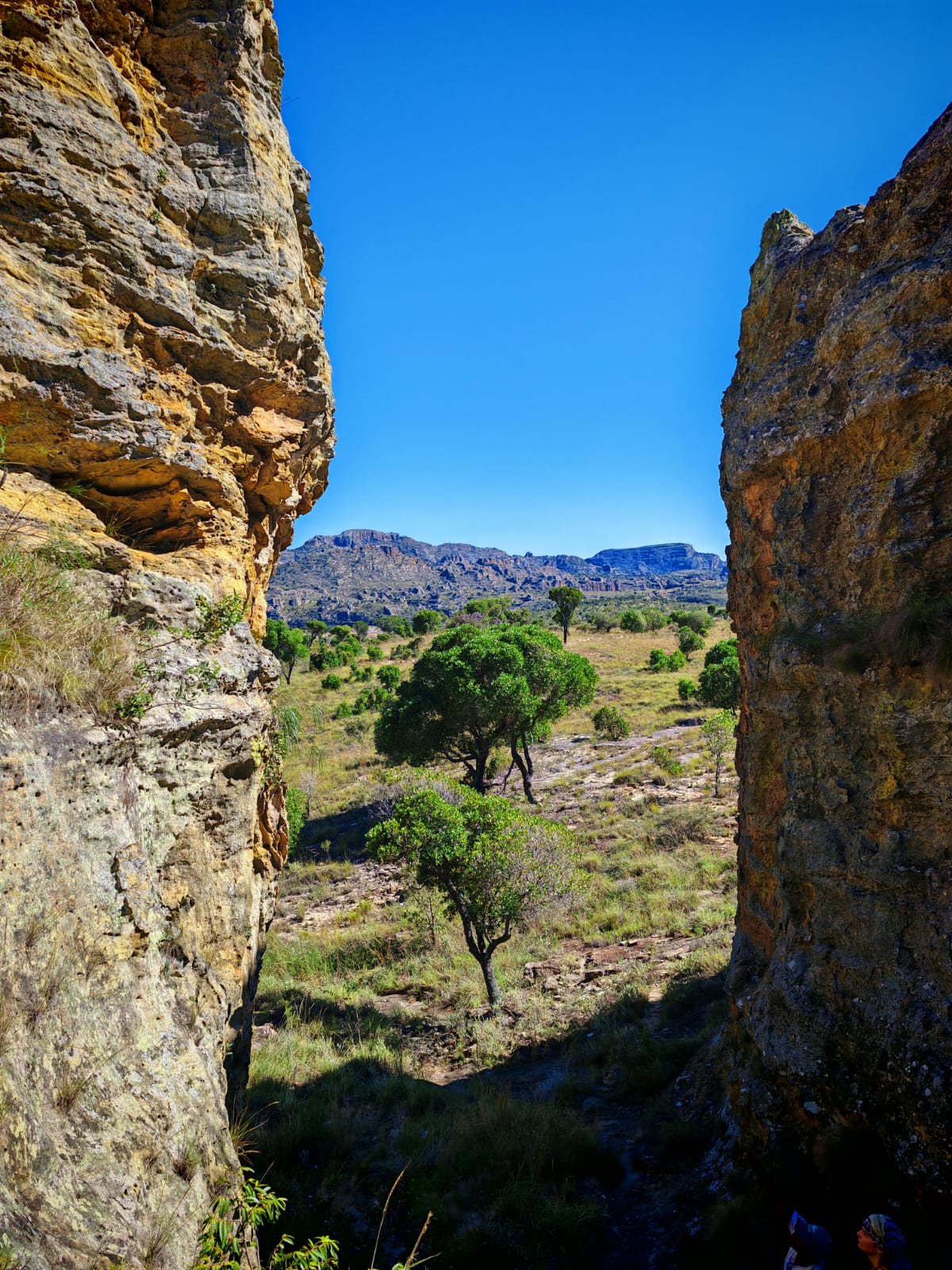
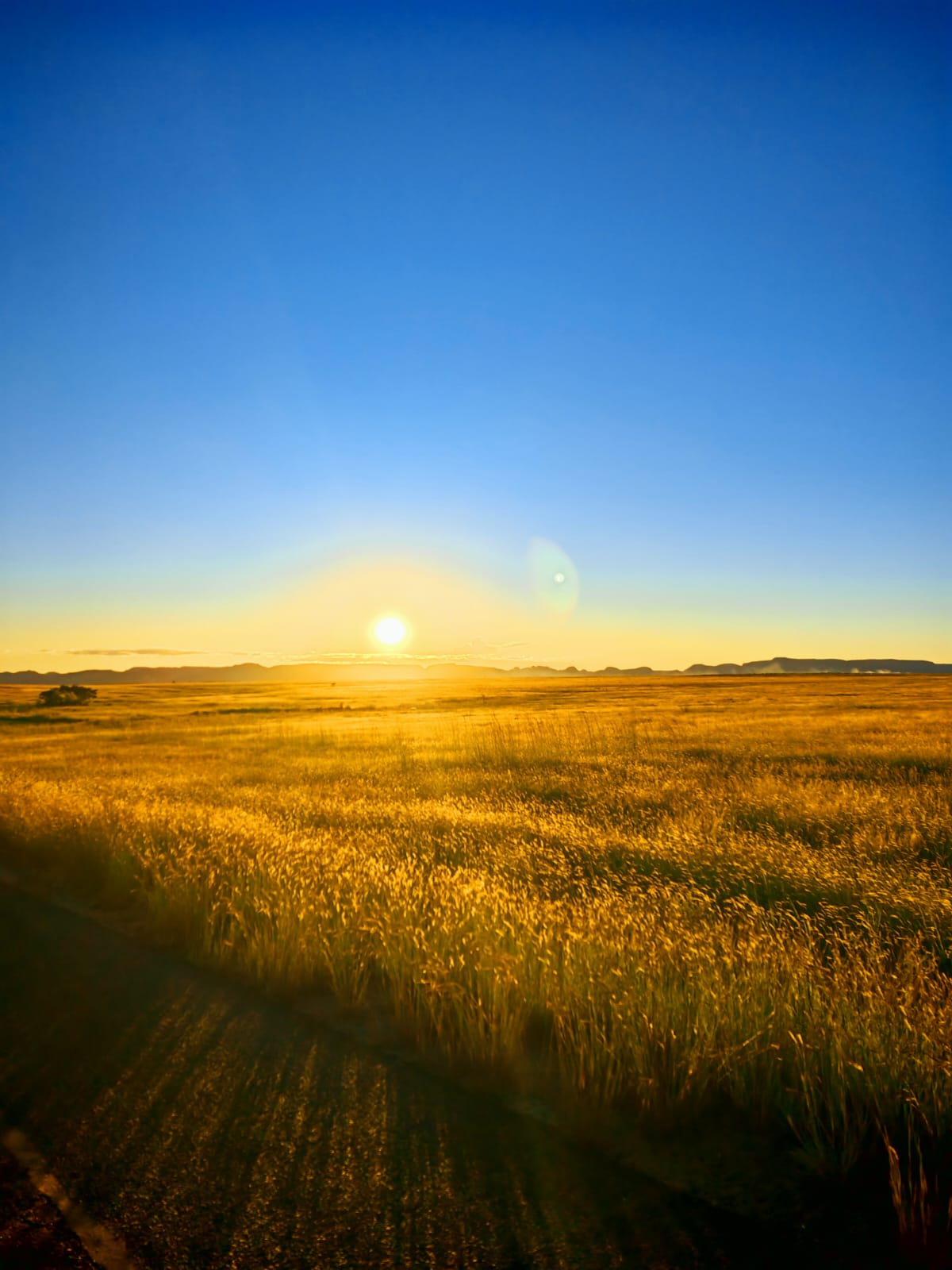
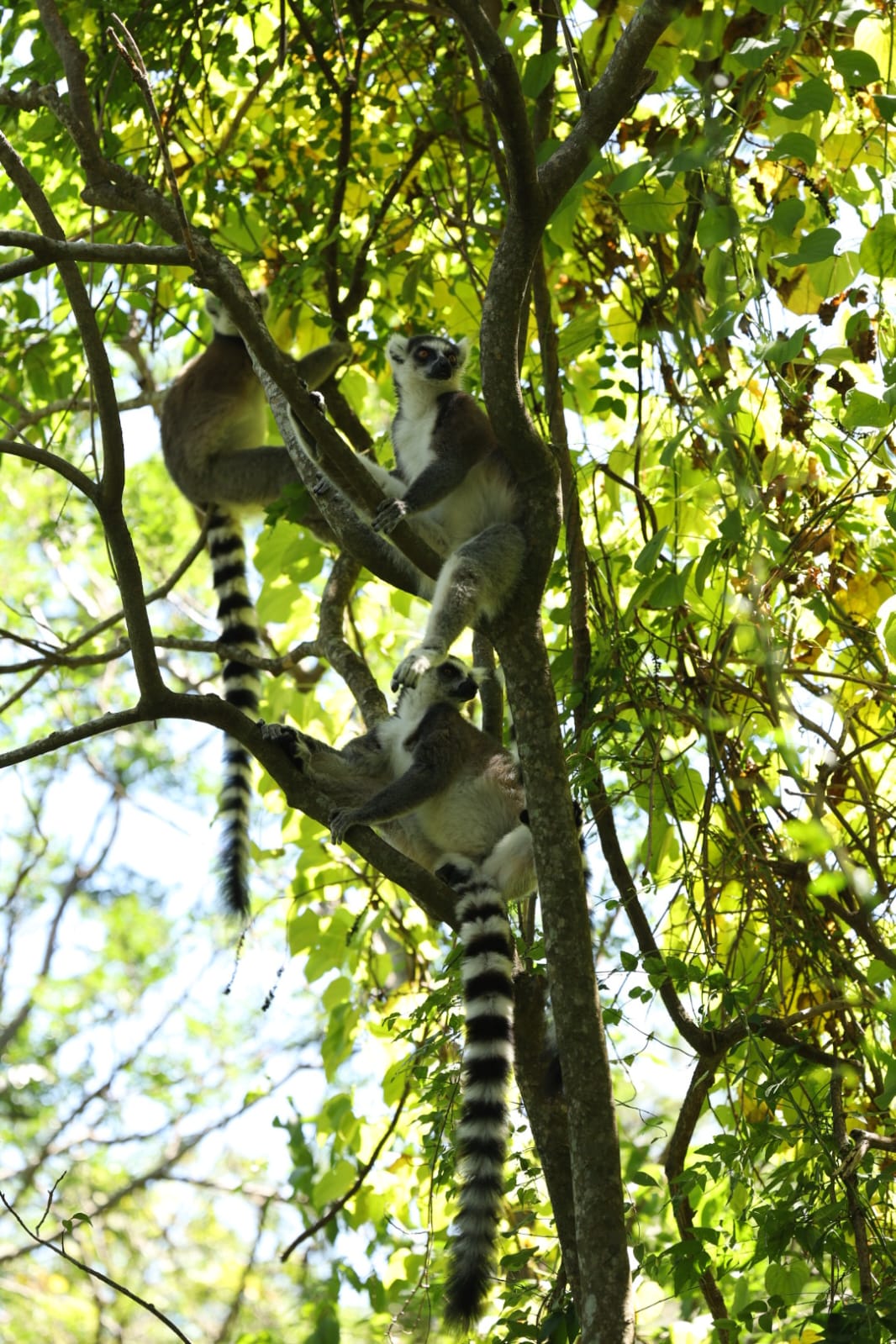
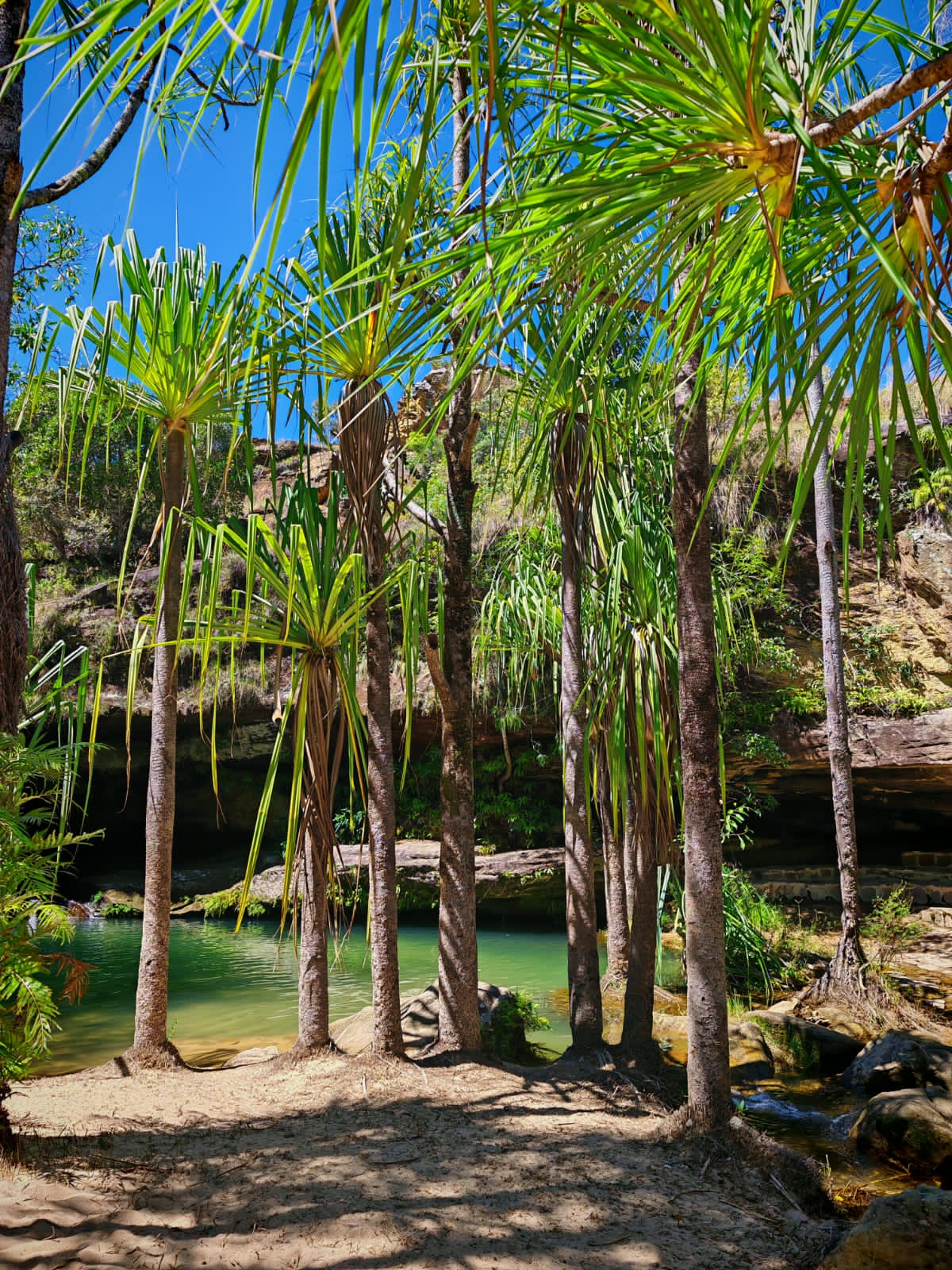
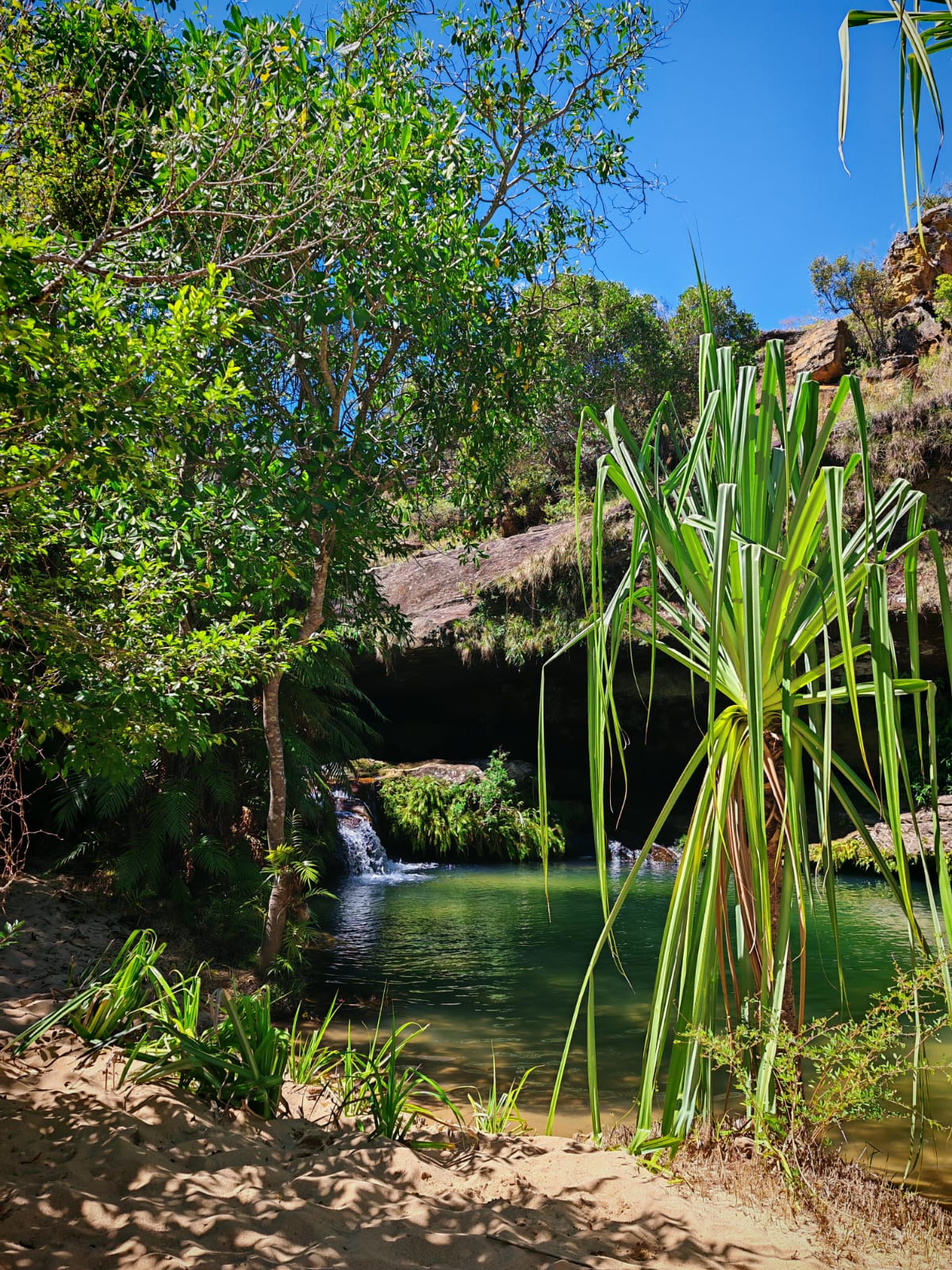
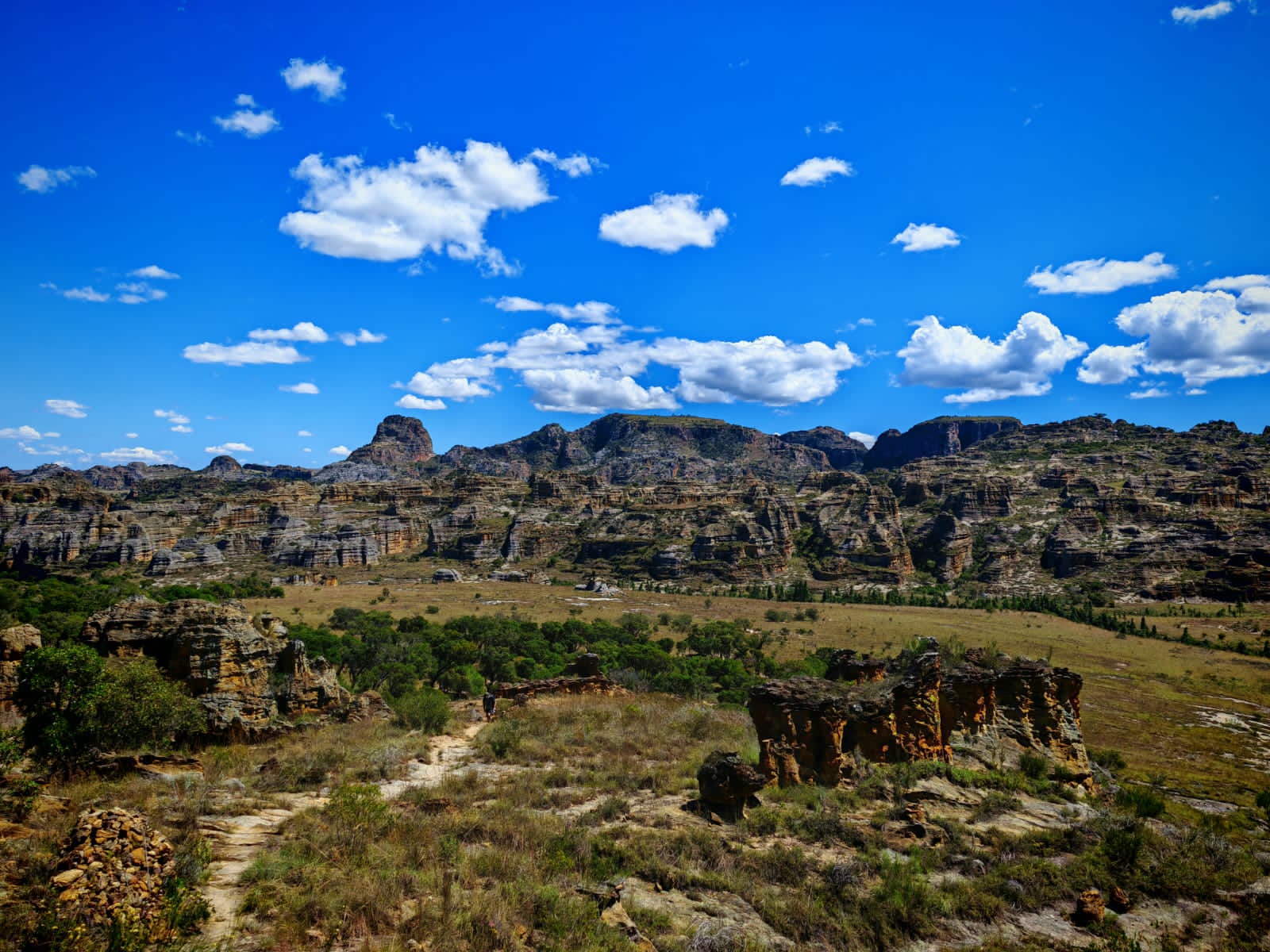
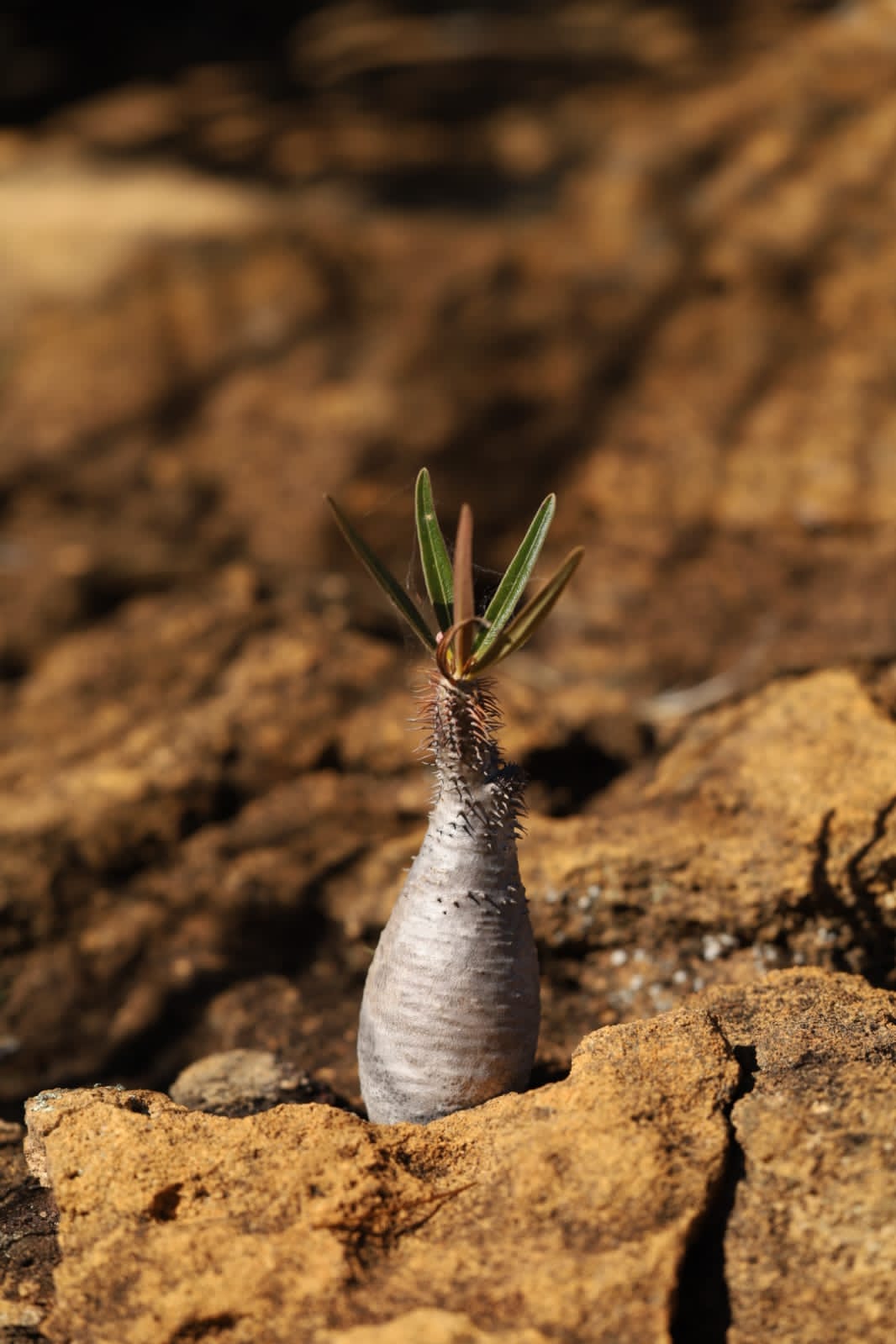
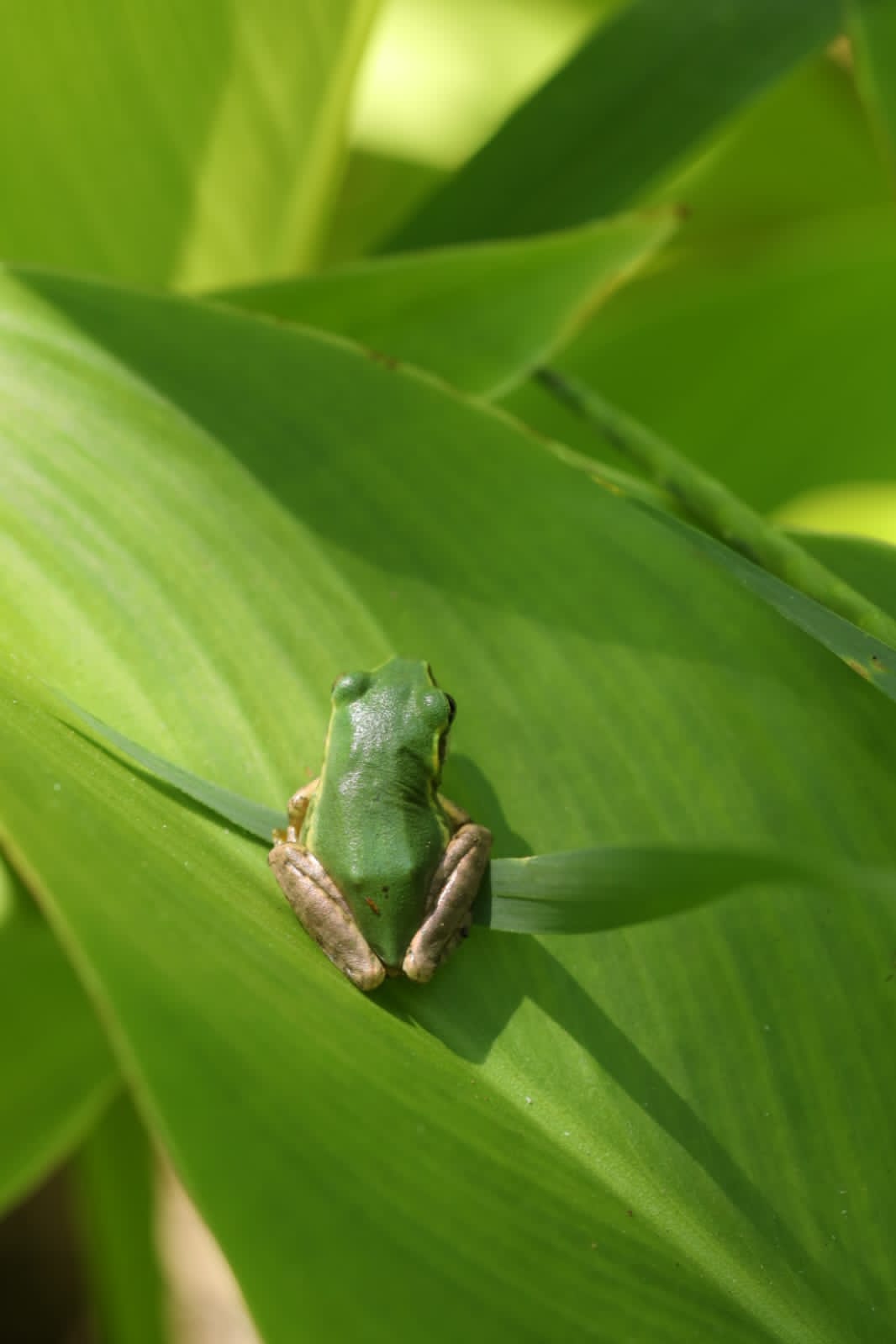
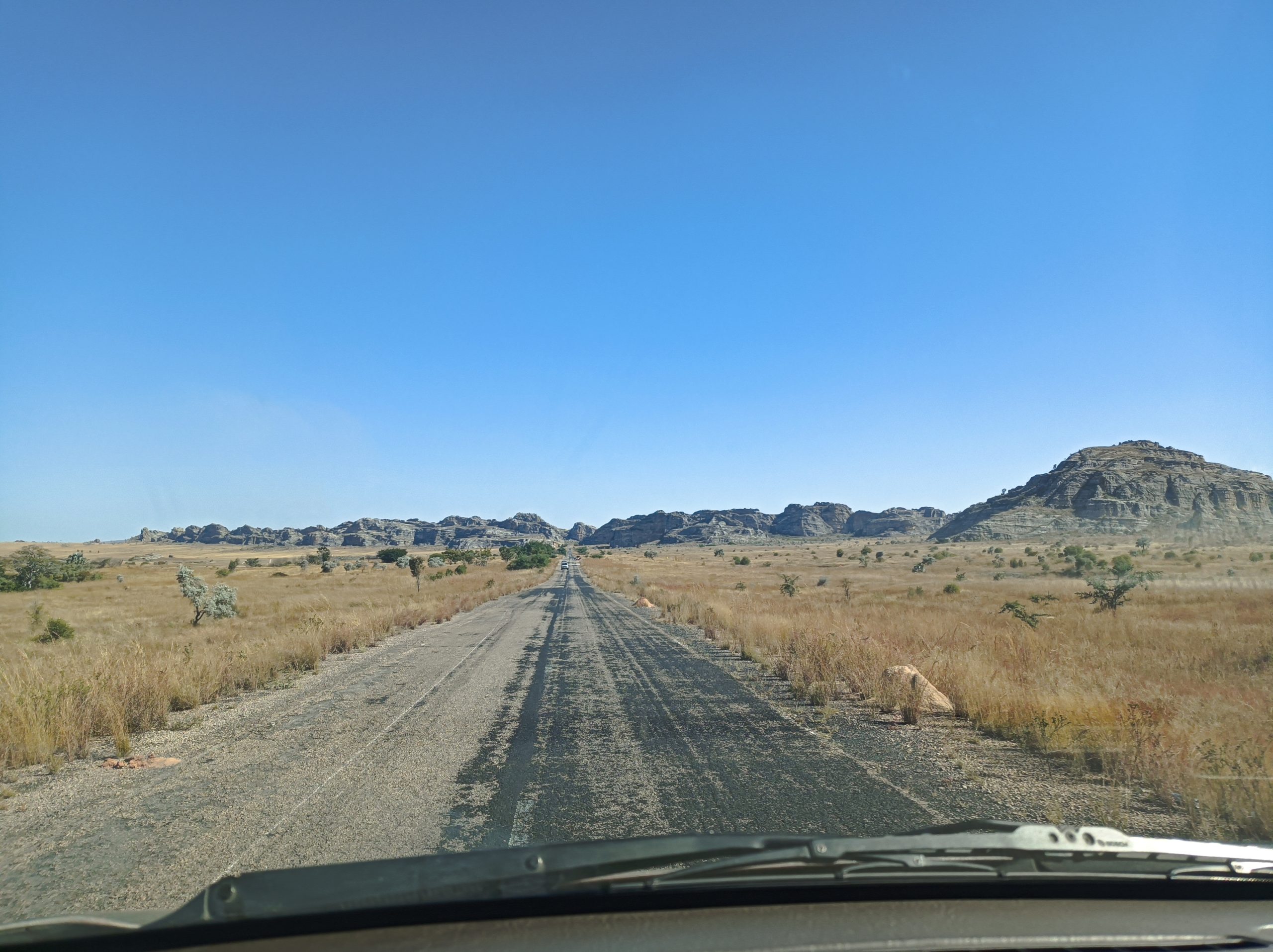
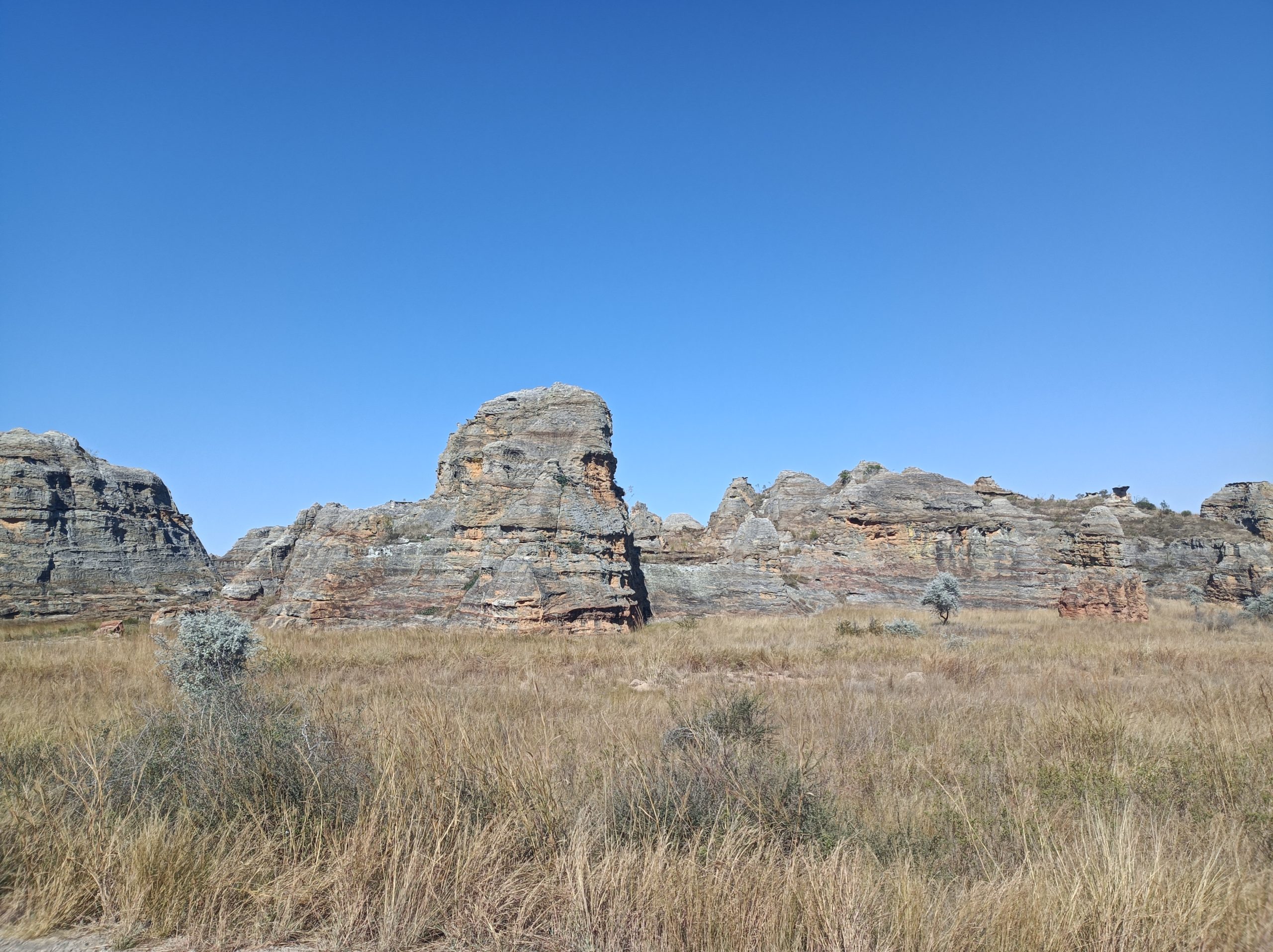
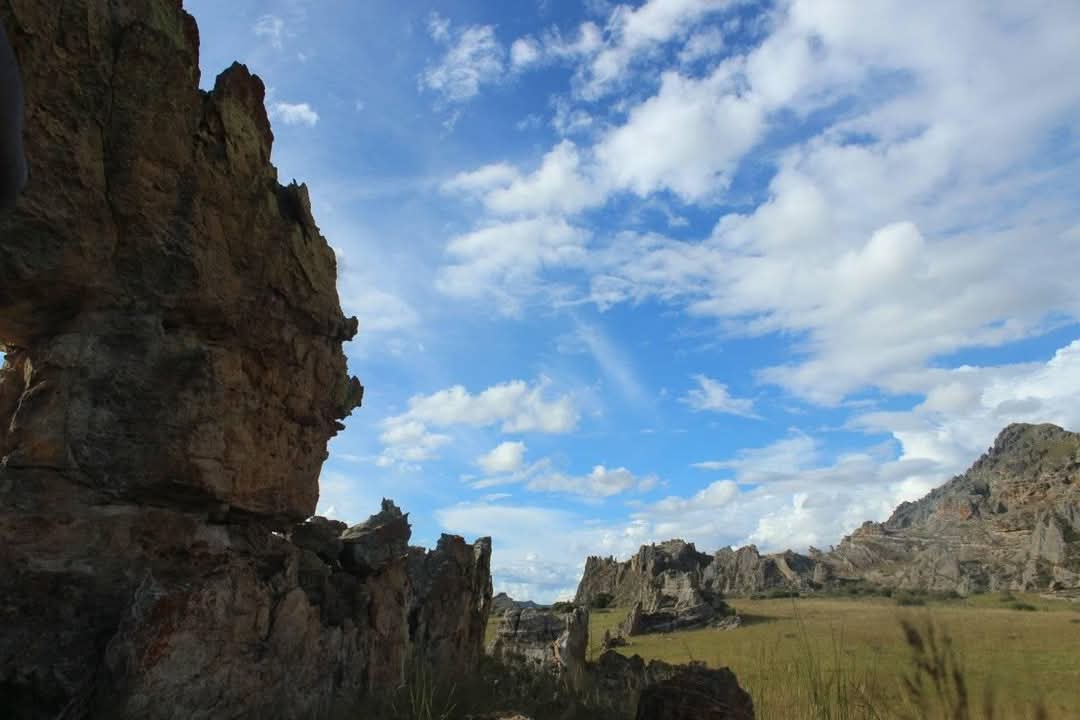

Covering 81,540 hectares of sandstone plateaus, deep canyons, arid savannas, and natural pools, Isalo was created in 1962 and is recognized as a UNESCO Global Geopark. It protects an exceptional mosaic of ecosystems and important natural and cultural heritage sites.
Isalo lies within the ancestral land of the Bara people, who consider it sacred. Visitors are encouraged to ask their guide about local taboos (“fady”) to respect local traditions.
Its semi-arid climate shapes diverse habitats, from rocky vegetation to alluvial forests, supporting rare and endemic species.
The most popular one-day hike is the Namaza Circuit, starting from the Namaza parking area near the entrance of Ranohira, leading to natural pools, canyon viewpoints, and lemur habitats.
The park hosts 7 lemur species, including Lemur catta, Propithecus verreauxi verreauxi, and Eulemur fulvus; 77 bird species, including the endemic Monticola sharpei bensoni; 33 reptiles; 15 amphibians such as Scaphiophryne gottlebei (CR) and Mantella expectata (EN); 17 mammals; and 215 plant species, including Pachypodium rosulatum. Source : MNP
Its dramatic landscape is strikingly different from what you see between Antananarivo and Toliara, making Isalo one of Madagascar’s most spectacular natural wonders.
Ilakaka is famous for its sapphire deposits, discovered in 1998, which transformed this small village into one of the world’s most important sapphire mining centers. The surrounding landscape is marked by thousands of hand-dug mining holes, reflecting years of intense artisanal mining. A large percentage of Madagascar’s sapphires circulating on the international market originate from this region.
The town represents hard work and determination, as thousands of miners search daily for precious stones. Along the main road, many traders buy rough stones directly from miners and villagers.
With your driver or local guide, you can visit small workshops to observe how raw sapphires are cut and polished. Visitors can purchase loose stones at competitive prices or order custom-made jewelry as a unique souvenir.
Today, sapphire mining activities extend up to 50 kilometers around Ilakaka, making it one of the most dynamic gemstone regions in Madagascar.
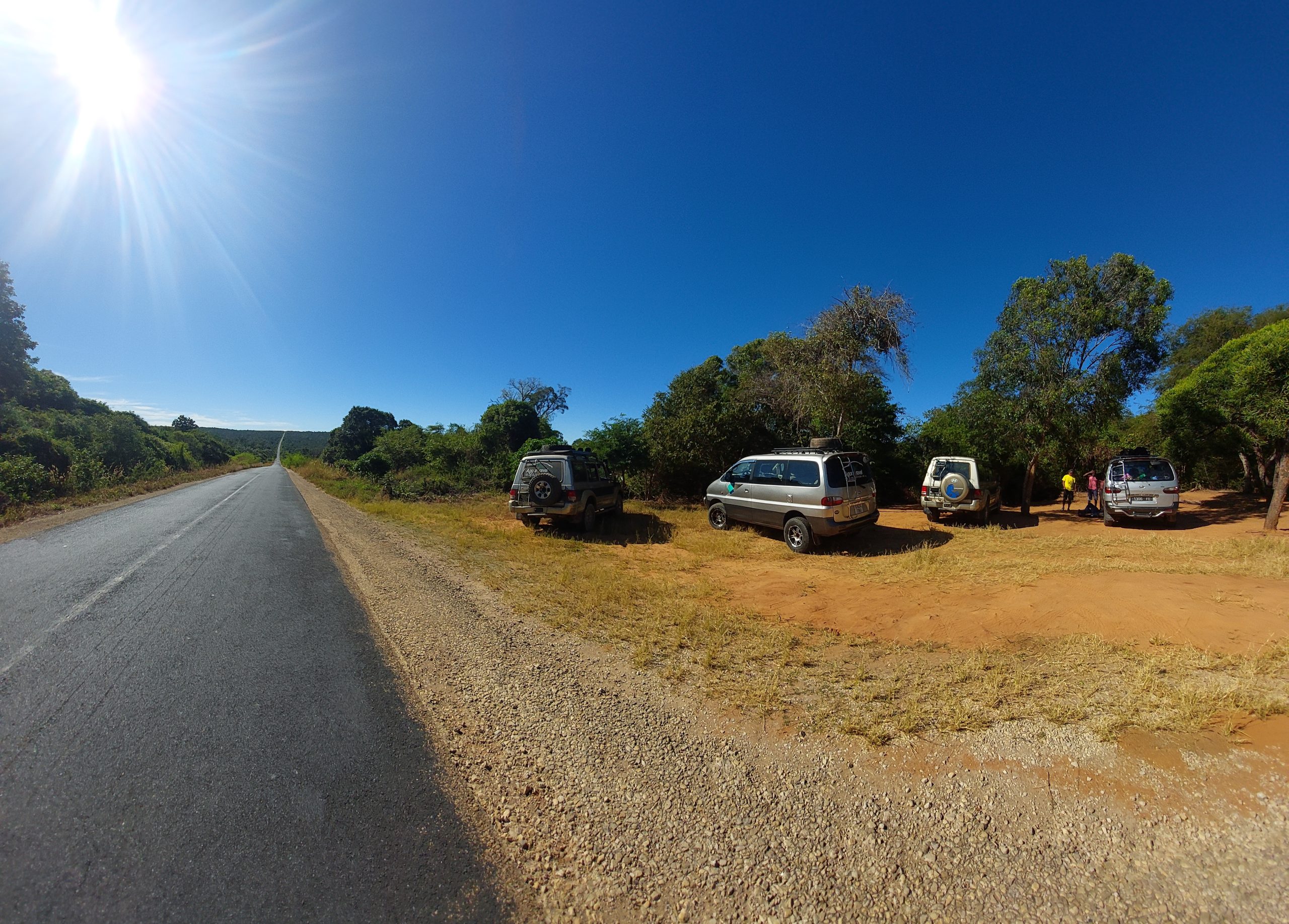
Located about 2 hours from Ranohira (Isalo) along the RN7, Zombitse-Vohibasia is a must-see natural treasure in the middle of a vast savanna landscape. It is one of the last remaining dense forests in this semi-arid region, creating a striking contrast with the surrounding open plains.
A visit lasts around 2 hours with a local guide, following well-marked trails to discover the park’s main highlights. The best time to explore is early morning (6:00–10:00 am) or late afternoon (3:30–5:30 pm), when wildlife is most active and temperatures are cooler. The dry season (April to November) offers the best access and wildlife viewing conditions.
The park is a major biodiversity hotspot and shelters:
- 47% of Madagascar’s endemic bird species
- 24% species endemic to the Malagasy region
- 1 strictly local endemic bird: Phyllastrephus apperti (Appert’s greenbul)
- 8 lemur species
- 2 carnivore species, including Cryptoprocta ferox, Madagascar’s largest endemic predator
The park consists of three forest blocks: Zombitse, Isoky Vohimena, and Vohibasia. Its vegetation is dominated by dense dry forest, especially species of Dalbergia, Commiphora, and Hildegardia.
This transitional forest between the western dry forest and the southern spiny forest makes it a unique ecological stop along the RN7 route.


